Conditioning Options That Don’t Require Running or Jumping
Quick Answer
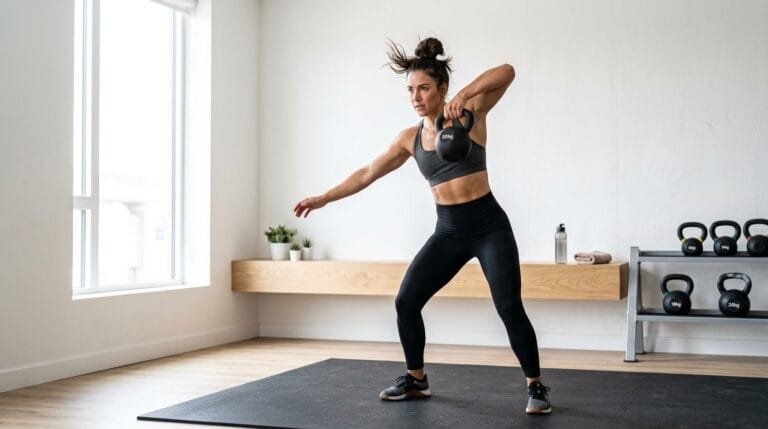
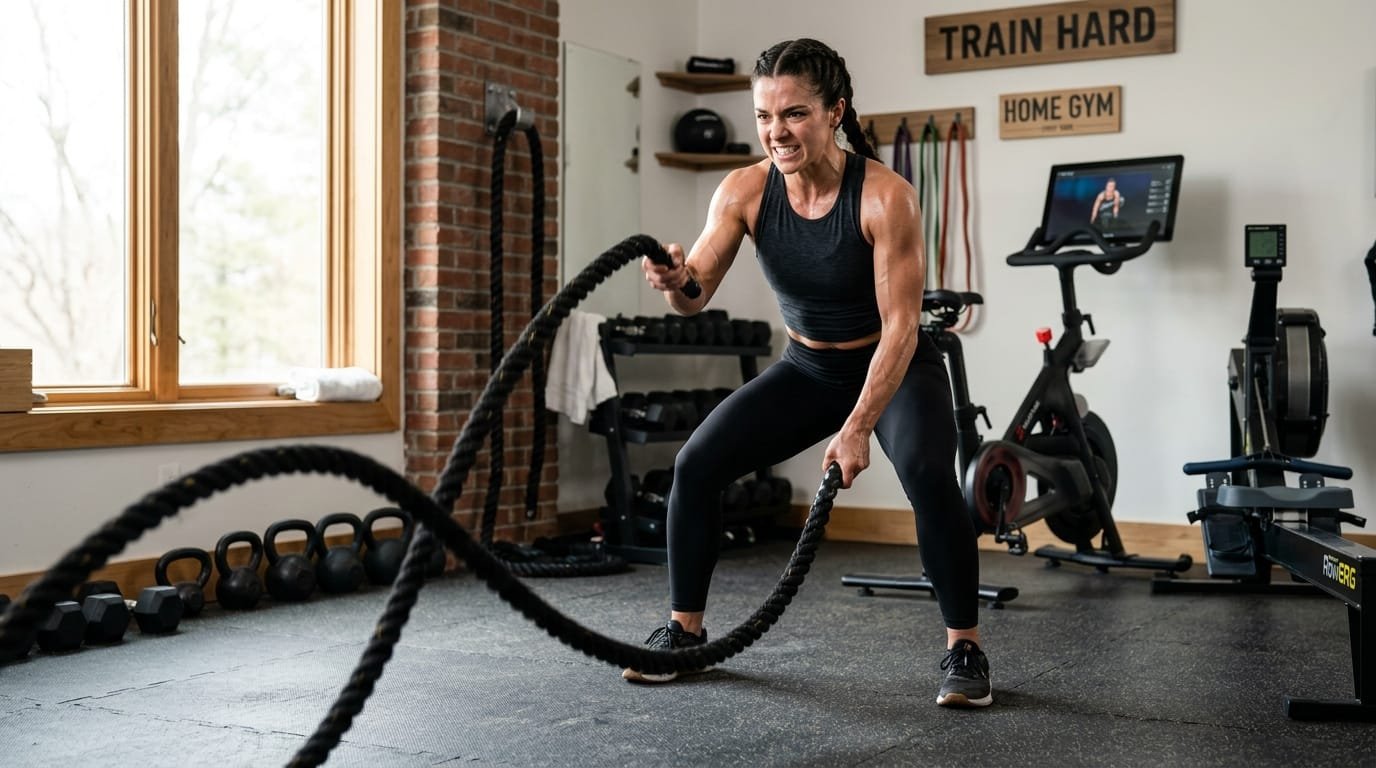
Effective conditioning without running or jumping includes brisk walking, cycling or stationary biking, rowing, swimming or water-based work, sled-style pushes and pulls with available equipment, kettlebell or dumbbell complexes performed under control, battle-rope intervals (if equipment allows), shadow boxing or martial-arts footwork, and dense strength circuits using controlled tempos. These options elevate heart rate, improve work capacity, and support fat loss and recovery while minimising impact on the knees, hips, and lower back. Choose methods that match your equipment, joint tolerance, and available space, and progress through longer durations, shorter rests, or added resistance.
Why Low-Impact Conditioning Matters
Running and jumping deliver excellent cardiovascular and metabolic benefits but create repeated impact forces that many people cannot tolerate due to joint history, body weight, training age, or current recovery status. Low-impact alternatives still challenge the heart, lungs, and muscular system without the same stress on cartilage, tendons, and ligaments. When programmed with progressive overload principles—increasing duration, density, or resistance—these methods produce meaningful improvements in conditioning, work capacity, and body composition while supporting long-term joint health.
Core Principles for Non-Impact Conditioning
- Elevate heart rate through sustained or interval effort – The stimulus is cardiovascular and metabolic, not impact.
- Respect joint tolerance – Every option must remain comfortable during and after the session.
- Progress systematically – Increase time, reduce rest, or add resistance rather than defaulting to higher-impact variations.
- Combine with strength training – Conditioning complements, rather than replaces, progressive resistance work.
- Prioritise recovery – Low-impact does not mean low-stress; manage total volume and sleep.
- Match method to environment – Home, apartment, outdoor, or gym settings all have viable options.
High-Value Conditioning Options Without Running or Jumping
| Method | Impact Level | Equipment Needed | Primary Benefits | Progression Options |
|---|---|---|---|---|
| Brisk walking / incline walking | Very low | None or treadmill | Aerobic base, recovery, fat utilisation | Speed, incline, duration, weighted vest |
| Cycling / stationary bike | Very low | Bike or stationary bike | Leg endurance, low joint stress | Resistance, interval structure, duration |
| Rowing (machine or outdoor) | Low | Rower or water access | Full-body endurance, posture | Stroke rate, resistance, intervals |
| Swimming or water walking | Very low | Pool access | Total-body conditioning, minimal loading | Distance, stroke variety, intervals |
| Sled pushes / pulls (or equivalents) | Low | Sled, prowler, or heavy bag / furniture drag | Leg drive, work capacity | Load, distance, rest periods |
| Kettlebell or dumbbell complexes | Low–moderate | Kettlebell or dumbbells | Strength-endurance, metabolic stress | Load, density, complexity |
| Battle ropes | Low | Battle ropes | Upper-body and core conditioning | Wave patterns, duration, rest |
| Shadow boxing / martial footwork | Low | None | Coordination, heart rate, calorie burn | Round length, intensity, combinations |
| Dense strength circuits | Low | Bodyweight, bands, dumbbells | Muscular and cardiovascular endurance | Shorten rest, add rounds, control tempo |
| Marching or high-knee marches in place | Very low | None | Simple heart-rate elevation | Speed, duration, arm drive |
Shoulder-friendly technique remains important during upper-body dominant conditioning (Bent Arms vs. Straight Arms in Lateral Raises, The Hidden Mistake in Lateral Raises, and 3 Lateral Raise Modifications). Grip strength supports loaded carries and complex work (Do Hand Grippers Really Work?).
Step-by-Step Framework for Building Non-Impact Conditioning
- Assess joint tolerance and available equipment
Identify which movements feel completely comfortable. - Choose 1–3 primary methods
Select options that fit your space, equipment, and preferences. - Decide on continuous or interval formats
Continuous work builds aerobic base; intervals improve higher-intensity capacity. - Start with manageable durations
10–20 minutes is sufficient for beginners; build from there. - Control intensity via effort or heart rate
Use perceived exertion or simple conversation guidelines. - Progress one variable at a time
Add time, reduce rest, increase resistance, or improve density. - Integrate with strength training
Perform conditioning after strength work or on separate days. - Track sessions
Log method, duration, effort, and how joints felt afterward. - Recover deliberately
Prioritise sleep and overall training stress management. - Reassess every 4–6 weeks
Adjust methods or volume based on progress and tolerance.
Sample Non-Impact Conditioning Sessions
Session Type 1 – Continuous Aerobic (20–40 minutes)
- Brisk incline walking, cycling, or rowing at a steady, sustainable pace
- Goal: maintain a conversational or slightly challenging effort throughout
Session Type 2 – Interval Format (15–25 minutes)
- 60–90 seconds moderate-to-hard effort (bike, rower, battle ropes, or complex)
- 60–90 seconds easy recovery
- Repeat 6–12 rounds depending on fitness level
Session Type 3 – Strength-Density Circuit (15–25 minutes)
Rotate through 4–6 controlled movements (goblet squat, push-up variation, row, hinge, carry, core anti-extension). Perform each for 30–40 seconds, rest 20–30 seconds, and complete 3–5 rounds. Keep tempos controlled and avoid impact.
Session Type 4 – Mixed Low-Impact (20–30 minutes)
Combine walking or cycling with short bursts of shadow boxing, marching, or light complex work.
Progressive Overload for Non-Impact Conditioning
- Increase total duration in 2–5 minute increments
- Shorten rest periods between intervals
- Add resistance (bike resistance, sled load, heavier dumbbell, stronger band)
- Increase work-interval length
- Add rounds to density circuits
- Improve technical efficiency (smoother rowing stroke, better complex transitions)
These methods raise the stimulus without introducing impact.
Technique and Safety Considerations
Walking and Incline Work
Maintain upright posture and a natural arm swing. Increase incline before speed if joint comfort is a concern.
Cycling
Set seat height so the knee retains a slight bend at the bottom of the pedal stroke. Avoid excessive resistance that causes hip or knee discomfort.
Rowing
Drive with the legs first, then open the hips and finish with the arms. Keep the spine long and avoid rounding under fatigue.
Complexes and Circuits
Choose loads that allow perfect form for the entire work period. Controlled tempos protect joints and increase muscular demand.
Carries
Keep the ribcage stacked over the pelvis and avoid leaning away from the load.
Common Mistakes That Reduce Effectiveness or Create Problems
| Mistake | Result | Better Approach |
|---|---|---|
| Turning low-impact work into high-impact | Joint irritation | Strictly avoid running and jumping |
| Progressing intensity too quickly | Excessive fatigue or form breakdown | Advance one variable at a time |
| Neglecting strength training | Limited overall progress | Keep progressive resistance work as the foundation |
| Using poor rowing or cycling posture | Discomfort or inefficiency | Film technique and correct fundamentals |
| Inconsistent effort | Minimal conditioning adaptation | Track duration and perceived exertion |
| Ignoring recovery | Accumulated fatigue | Schedule easier days and protect sleep |
Equipment Options Ranked for Home or Limited-Space Conditioning
| Equipment | Conditioning Value | Storage Demand | Best Uses |
|---|---|---|---|
| None (walking, marching, shadow boxing) | High | None | Daily aerobic work, intervals |
| Resistance bands | Moderate–high | Very low | Loaded carries, complex assistance |
| Dumbbells or kettlebell | High | Low–moderate | Complexes, carries, density circuits |
| Stationary bike or rower | Very high | Moderate–high | Continuous and interval work |
| Battle ropes | High | Moderate | Short high-effort intervals |
| Treadmill (incline walking) | High | High | Controlled aerobic sessions |
Most people can achieve excellent conditioning with walking plus one additional tool (bands, dumbbells, or a bike/rower).
Integrating Conditioning with Strength Training
Strength training remains the priority for muscle, bone, and long-term metabolic health. Conditioning supports work capacity, recovery between strength sessions, and overall energy expenditure. A practical weekly structure might include 2–4 strength sessions and 2–3 moderate conditioning sessions, with at least one easier or full rest day.
Strength training provides foundational benefits that conditioning alone cannot match (strength training guidance). Practical home-gym approaches emphasise adaptable systems that work around equipment and joint constraints (home gym equipment prioritisation and budget home gym principles).
Frequently Asked Questions
Can I improve conditioning significantly without running?
Yes. Cycling, rowing, swimming, incline walking, and dense strength circuits produce measurable cardiovascular and metabolic improvements.
How often should I do non-impact conditioning?
Two to four sessions per week work well for most people, depending on overall training volume and recovery.
Is walking enough for conditioning?
Brisk or incline walking builds a solid aerobic base and supports recovery. Higher-intensity intervals or resistance-based methods are useful for further progress.
What if I have knee or hip issues?
Cycling, swimming, incline walking, and carefully selected strength circuits are often well tolerated. Always stay within pain-free ranges and consult a professional if needed.
Can conditioning replace strength training?
No. Both are valuable. Strength training drives muscle and bone adaptations that conditioning does not fully replicate.
How do I know if the intensity is right?
During continuous work you should be able to speak in short sentences. During intervals the hard efforts should feel challenging but controllable.
Do I need a heart-rate monitor?
Useful but not required. Perceived exertion and the talk test provide sufficient guidance for most trainees.
How long before I notice improvements?
Many people feel better work capacity and recovery within 2–4 weeks of consistent conditioning.
Final Recommendation
Conditioning without running or jumping is fully achievable through incline walking, cycling, rowing, swimming, sled-style work, controlled complexes, battle ropes, shadow boxing, and dense strength circuits. These methods elevate heart rate and improve work capacity while protecting the joints. Progress by increasing duration, density, or resistance, and keep strength training as the foundation of your overall program.
Select one or two methods that fit your equipment and joint tolerance today, schedule two sessions this week, and begin with manageable durations. Track effort and joint response, then advance one variable at a time. When conditioning is programmed this way, you gain cardiovascular fitness and resilience without the impact costs of running and jumping. Start with the next session—the combination of smart method selection and consistent progressive effort delivers sustainable results.