
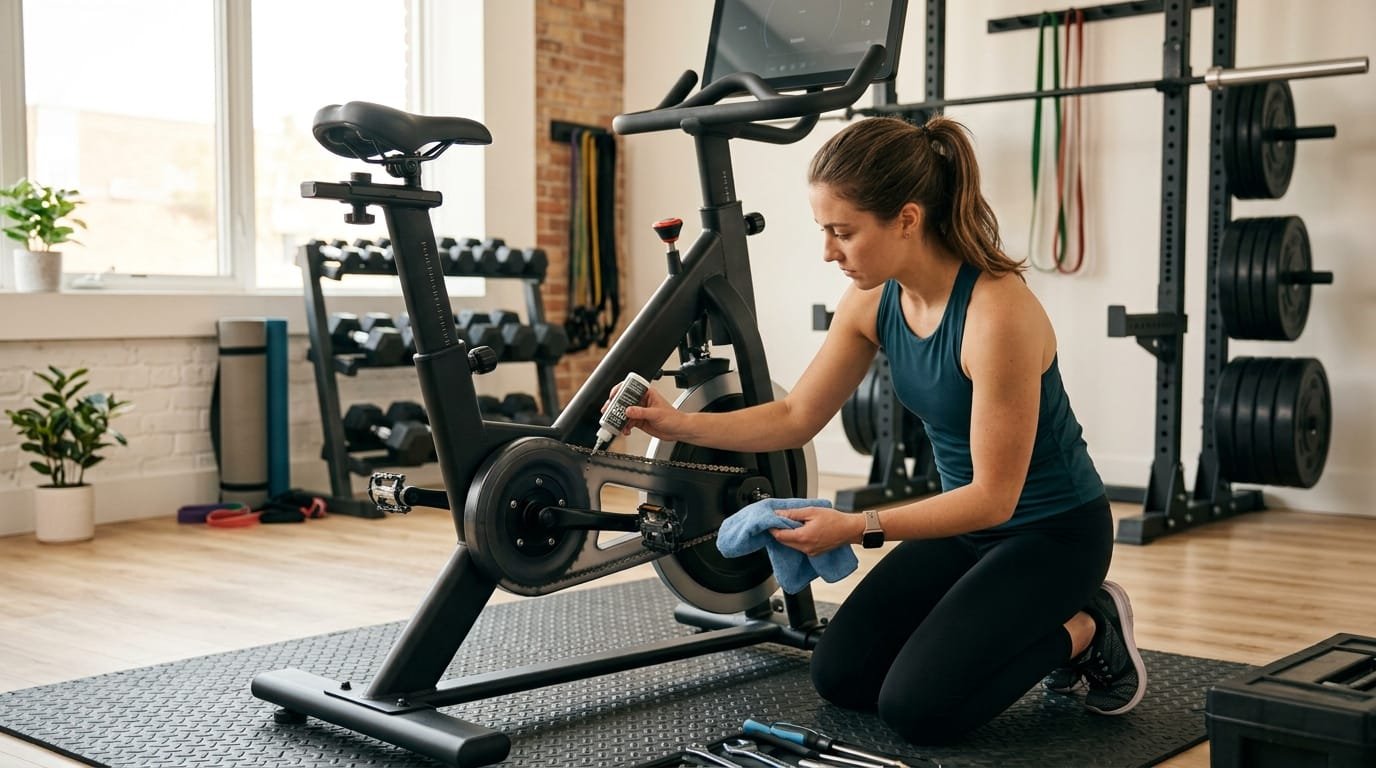
Year-Round Maintenance Habits That Keep Home Gym Equipment Safe
Quick Answer
Year-round maintenance habits that keep home gym equipment safe include regular visual inspections, cleaning after use, checking bolts and moving parts, protecting metal from moisture, storing items properly, and following a simple seasonal schedule. Inspect equipment before heavy sessions, wipe down surfaces, tighten connections, address rust early, and replace worn components promptly. These low-time habits prevent equipment failure, extend lifespan, and reduce injury risk from unexpected breakage or instability.
Why Equipment Maintenance Matters in a Home Gym
Home gym equipment is often used more frequently than commercial gear and is exposed to household humidity, temperature swings, dust, and occasional misuse. Unlike a staffed facility, there is no one else to notice a loose bolt, fraying band, or corroding plate. A single overlooked issue can turn into a safety hazard—unstable benches, snapped bands, or shifting weights. Consistent, simple maintenance habits protect both the equipment and the user while preserving the financial investment in the home gym.
Core Principles of Safe Equipment Maintenance
- Inspect before you load – A 30-second visual and tactile check prevents most surprises.
- Clean regularly – Sweat and dust accelerate wear and corrosion.
- Address moisture immediately – Rust is progressive and weakens metal.
- Tighten and secure – Bolts, collars, and adjustable mechanisms loosen with use.
- Store with intention – Proper storage reduces accidental damage and trip hazards.
- Replace, don’t ignore – Worn parts are cheaper to replace than the cost of an injury.
- Follow a light seasonal schedule – Deeper checks a few times per year catch slow-developing problems.
Equipment-Specific Maintenance Guidelines
| Equipment Type | Key Risks | Routine Habits | Deeper Periodic Checks |
|---|---|---|---|
| Dumbbells & Kettlebells | Loose heads, chipped coating, rust | Wipe after use, inspect handles and heads | Check for spinning heads or cracks |
| Resistance Bands | Fraying, loss of elasticity, snaps | Inspect before every use, avoid sharp edges | Replace at first sign of significant wear |
| Barbells & Collars | Worn knurling, loose sleeves, collar failure | Brush knurling, check collar function | Spin sleeves, inspect for bending |
| Benches & Racks | Loose bolts, unstable feet, padding tears | Tighten bolts monthly, check stability | Full bolt audit and weld inspection |
| Mats & Flooring | Tears, moisture trapping, slipping | Sweep/vacuum, wipe spills immediately | Lift and clean underneath periodically |
| Cables & Pulleys (if present) | Fraying cables, sticky pulleys | Visual check before use | Lubricate and inspect cable integrity |
| Pull-Up Bars / Suspension | Mounting failure, wear on straps | Test security before loading | Inspect wall anchors and strap stitching |
Shoulder-friendly technique and controlled training reduce unnecessary stress on equipment during use (Bent Arms vs. Straight Arms in Lateral Raises, The Hidden Mistake in Lateral Raises, and 3 Lateral Raise Modifications). Grip training tools also require inspection for wear (Do Hand Grippers Really Work?).
Step-by-Step Year-Round Maintenance System
- Create a simple inspection checklist
List every major piece of equipment and the main failure points for each. - Perform a 30-second pre-session check
Look for loose parts, fraying, unusual play, or visible damage before loading. - Wipe equipment after use
Remove sweat from handles, benches, and bars with a light disinfectant or damp cloth. - Schedule a monthly 10-minute tune-up
Tighten bolts, check collars, inspect bands, and test stability of benches and racks. - Address moisture and rust immediately
Dry wet equipment, lightly oil bare metal if appropriate, and improve storage conditions. - Store items in designated places
Keep weights off the floor when possible, hang bands, and avoid damp areas. - Perform a seasonal deep inspection
Four times per year, conduct a more thorough review of all equipment and flooring. - Log any issues and actions taken
A simple note prevents forgotten problems from recurring. - Replace worn components promptly
Bands, collars, and padding are consumables—treat them as such. - Review the system once a year
Adjust the checklist as you add or retire equipment.
Detailed Maintenance Practices by Category
Metal Equipment (Dumbbells, Kettlebells, Barbells, Racks)
- Wipe handles and surfaces after sweaty sessions.
- Inspect for rust, especially in humid climates or garages.
- Lightly lubricate sleeve bearings on barbells if they feel rough (use manufacturer-recommended products).
- Check that adjustable dumbbell mechanisms lock securely every session.
- Tighten rack and bench bolts monthly; re-check after any relocation.
Resistance Bands and Straps
- Examine the entire length before use for nicks, thin spots, or discoloration.
- Avoid anchoring on sharp edges or rough concrete.
- Store away from direct sunlight and extreme heat.
- Replace bands at the first significant sign of wear—failure is usually sudden.
Benches, Pads, and Upholstery
- Clean vinyl or synthetic leather with appropriate cleaners to prevent cracking.
- Inspect stitching and foam for compression or tears.
- Confirm that adjustable bench mechanisms lock in every position used.
Flooring and Mats
- Sweep or vacuum regularly to prevent grit from damaging both the mat and the floor underneath.
- Wipe spills immediately.
- Periodically lift interlocking tiles or mats to check for moisture or mold.
- Replace heavily torn or compressed sections that no longer provide stable footing.
Cables, Pulleys, and Machines (if present)
- Inspect cables for fraying near attachment points and pulleys.
- Listen for unusual noises that indicate bearing or cable issues.
- Keep moving parts clean and lubricated according to the manufacturer’s guidance.
Seasonal Maintenance Schedule
Weekly
- Pre-session visual checks
- Post-session wipe-downs
Monthly
- Bolt and collar tightening
- Full band inspection
- Stability test of benches and racks
Quarterly / Seasonal
- Deep clean of all equipment
- Rust inspection and treatment
- Flooring lift-and-clean
- Review of storage conditions (humidity, temperature)
Annually
- Complete inventory and condition assessment
- Replacement of any questionable components
- Update of the maintenance checklist
Environmental Factors That Affect Equipment Longevity
| Factor | Risk | Mitigation |
|---|---|---|
| High humidity | Rust and mold | Dehumidifier, airflow, dry storage |
| Temperature swings | Material expansion/contraction, moisture condensation | Climate control or seasonal adjustments |
| Direct sunlight | Band degradation, padding fade | Store out of sun |
| Dust and grit | Accelerated wear on moving parts | Regular cleaning |
| Improper storage | Tripping hazards, accidental damage | Designated locations for every item |
Common Maintenance Mistakes That Create Safety Risks
| Mistake | Potential Consequence | Better Habit |
|---|---|---|
| Ignoring small rust spots | Progressive structural weakening | Treat rust early |
| Using damaged bands | Sudden failure under load | Inspect and replace proactively |
| Never checking bolts | Unstable benches or racks | Monthly tightening routine |
| Storing weights on bare floors long-term | Floor damage and moisture issues | Use mats or racks |
| Skipping pre-session checks | Unexpected equipment failure | 30-second inspection every session |
| Over-lubricating | Attracting dirt and grit | Use minimal appropriate lubricant |
Strength training equipment remains safe and effective when basic maintenance is treated as part of the training system (strength training guidance). Practical home-gym approaches emphasise sustainable setups that include ongoing care (home gym equipment prioritisation and budget home gym principles).
Frequently Asked Questions
How often should I really inspect my equipment?
A quick visual check before every session plus a more thorough monthly review is sufficient for most home gyms.
What is the most commonly overlooked maintenance task?
Checking and tightening bolts on benches and racks. Vibration and repeated loading gradually loosen hardware.
How do I remove rust from weights or bars?
Mild cases can often be addressed with a wire brush and light oil or a manufacturer-approved rust remover. Severe rust may require professional assessment or replacement.
When should resistance bands be replaced?
At the first clear signs of fraying, cracking, sticky texture, or significant loss of elasticity. Do not wait for complete failure.
Is it necessary to clean equipment after every session?
Wiping high-touch surfaces (handles, benches) after sweaty sessions is strongly recommended. Full deep cleaning can follow the monthly or quarterly schedule.
Can I use household cleaners on gym equipment?
Use mild, non-abrasive cleaners. Avoid harsh solvents that can damage rubber, vinyl, or protective coatings. When in doubt, check manufacturer recommendations.
How important is storage for safety?
Very. Proper storage prevents accidental damage, reduces trip hazards, and limits exposure to moisture and sunlight.
What if I train in a garage with temperature extremes?
Increase inspection frequency for rust and moving parts, improve airflow or dehumidification if possible, and consider covers for equipment during extreme weather.
Final Recommendation
Year-round maintenance habits that keep home gym equipment safe are simple, low-time actions performed consistently: inspect before loading, clean after use, tighten connections monthly, protect metal from moisture, store items properly, and replace worn components without delay. These practices prevent the majority of equipment-related safety issues and significantly extend the usable life of every piece of gear.
Create a short checklist today that covers your specific equipment, perform a full inspection this week, and install the pre-session and post-session habits immediately. Schedule a recurring monthly reminder for the deeper tune-up. When maintenance becomes automatic, your home gym remains a safe, reliable environment for long-term strength training. Start with the next session—the few minutes invested in care protect both your progress and your safety.