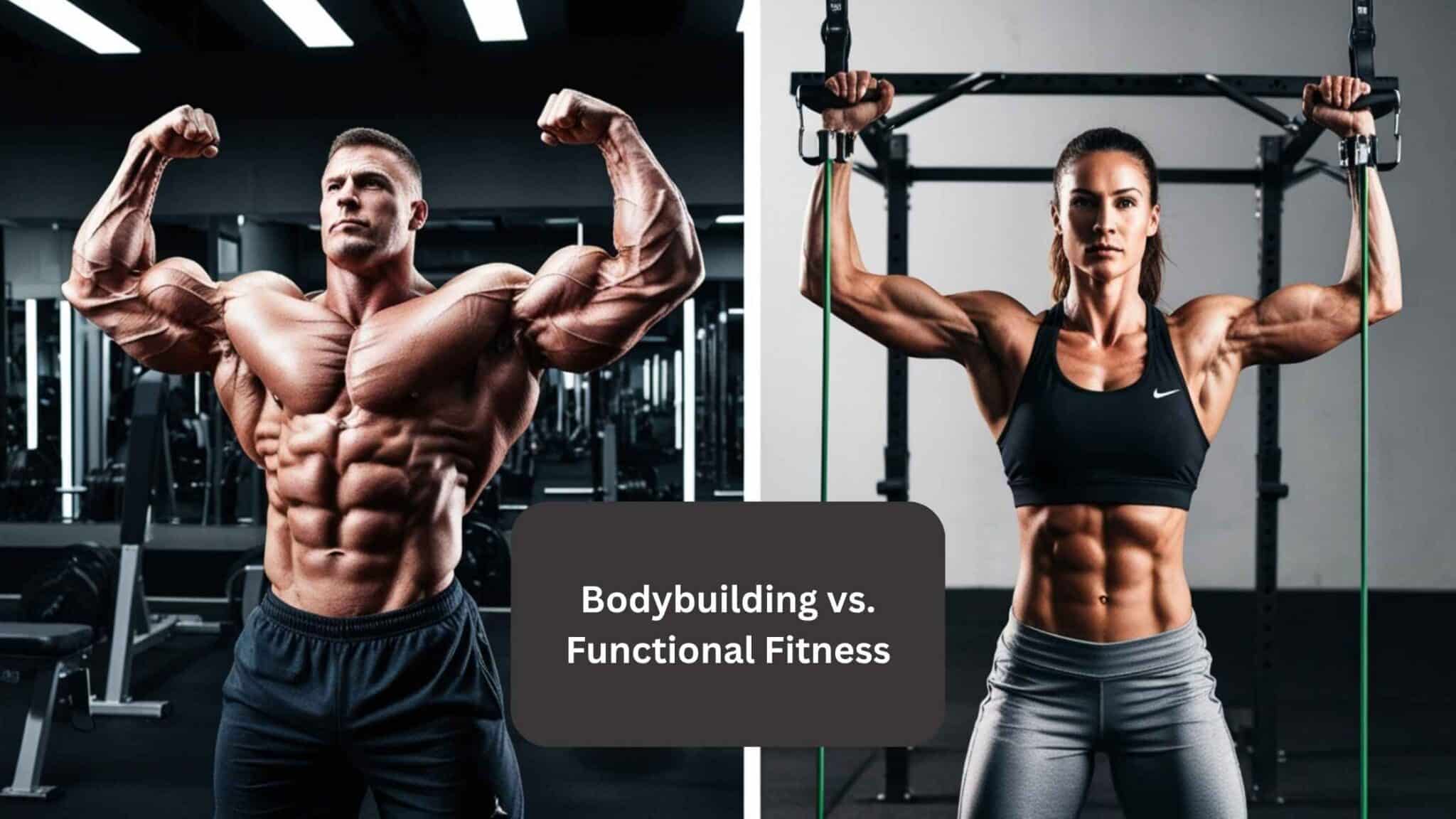
Bodybuilding vs. Functional Fitness: Which Arm Position Wins?
Quick answer: Neither approach is universally “better” — bodybuilding-style isolation (like straight-arm lateral raises) tends to maximize muscle size and shape, while functional training’s bent-arm, compound-movement approach builds strength that carries over more directly to real-world movement. Which one “wins” depends entirely on your goal.
Researched and written by the GymGoodies team, fact-checked against manufacturer specs and current fitness guidance.
The debate between bodybuilding and functional fitness often gets framed as a rivalry, but the two approaches are really just optimized for different outcomes. Nowhere is this more visible than in something as simple as arm position during a shoulder exercise like the lateral raise — the same movement, trained two different ways, produces meaningfully different results depending on which philosophy you’re following.
What Actually Separates Bodybuilding From Functional Training
Bodybuilding-style training is built around isolation: targeting one muscle group at a time to maximize its size and definition, typically through controlled, single-joint movements. Functional training instead prioritizes compound, multi-joint movements that mimic real-life actions — pushing, pulling, rotating, carrying — training muscles to work together rather than in isolation.
According to Wikipedia’s overview of functional training, the approach is specifically designed to enhance the body’s ability to perform everyday movements efficiently, engaging multiple muscles and joints simultaneously rather than isolating a single one. The American Council on Exercise’s own Integrated Fitness Training (IFT) Model reflects this same distinction professionally, structuring training around progressive phases — starting with functional movement and stability work before progressing to more isolated, load-focused training later in a program.
How This Plays Out in Arm Position
For an exercise like the lateral raise, this philosophical split shows up directly in how you position your arms:
- Straight-arm lateral raises (the more bodybuilding-style approach) lengthen the lever arm your shoulder has to control, increasing tension on the deltoid and generally maximizing muscle activation for hypertrophy purposes — provided your form and joint health can tolerate it.
- Bent-arm lateral raises (more aligned with a functional training mindset) shorten that lever arm, reducing joint stress while keeping the movement pattern closer to something your shoulder would naturally do in daily life — reaching, carrying, or stabilizing a load to the side. For a deeper technical breakdown of this specific mechanic, see our Bent-Arm Lateral Raises guide.
Neither position is objectively “correct” — they’re simply optimized for different things: muscle isolation and size versus joint-friendly, movement-pattern-focused training.
When Bodybuilding-Style Training Makes Sense
If your primary goal is muscle size, symmetry, or a specific aesthetic outcome, bodybuilding’s isolation-first approach has real advantages:
- More direct, measurable overload on a specific muscle
- Easier to track progress in a single lift (weight, reps) since other muscles aren’t compensating
- Well-suited to structured, split-based training programs (e.g., dedicated shoulder day)
The tradeoff is that isolation work doesn’t always translate directly into functional, real-world strength — a bigger deltoid doesn’t automatically mean better performance carrying groceries or playing a sport that demands rotational power and stability.
When Functional Training Makes Sense
If your goal is overall movement quality, injury resilience, or performance in daily life or sport, a functional approach — bent-arm positioning, compound movements, more emphasis on stabilizers — tends to serve you better:
- Builds strength that transfers more directly to real-world tasks and movement patterns
- Trains muscles to work together rather than relying on one muscle group in isolation
- Often more joint-friendly, particularly useful during rehab or return-to-training phases
The tradeoff here is that pure functional training, done without any dedicated isolation work, may build muscle size more slowly than a bodybuilding-focused approach, simply because the overload on any single muscle is less concentrated.
You Don’t Actually Have to Choose One
In practice, most well-designed training programs blend both approaches rather than picking a side. A lifter might do compound, functional-style movements (like our Yoga-Inspired Lateral Raises approach, which blends bent-arm stability with mobility-focused tempo) earlier in a session or program phase, then move into more isolated, bodybuilding-style work later once movement quality and stability are established. This mirrors the structure of ACE’s own IFT model, which explicitly sequences functional movement training before progressing into more load-focused, hypertrophy-oriented phases.
Practical Ways to Blend Both Approaches
- Early in a session or program: prioritize compound, bent-arm, stability-focused movements to establish good movement patterns and joint health.
- Later in a session or program: layer in more isolated, straight-arm or heavier-load work once your form and stability are solid, if muscle size is part of your goal.
- Equipment choice matters too — cables and resistance bands tend to keep more constant tension through a lateral raise’s full range of motion compared to dumbbells, which can suit either training style depending on how you use them. Our Dumbbells vs. Cables guide breaks down how equipment choice interacts with arm position specifically.
Common Mistakes When Mixing the Two Approaches
- Treating every session as purely one philosophy or the other — rigidly sticking to only isolation or only functional work can leave gaps in either muscle development or real-world strength transfer.
- Jumping straight into heavy, straight-arm isolation work without first establishing shoulder stability — this is a common way shoulder impingement issues develop over time.
- Assuming functional training alone will build significant muscle size — it can, but generally more slowly than a program that also includes dedicated isolation work.
Frequently Asked Questions
Is one approach objectively better for building bigger shoulders?
For pure size, a bodybuilding-style approach with more isolated, higher-tension work (like straight-arm lateral raises) tends to be more efficient. Functional training builds real-world strength and stability more effectively but may build size more slowly on its own.
Can beginners do functional-style training safely?
Yes — in fact, most reputable training models (like ACE’s IFT Model) recommend beginners start with functional, stability-focused movement before progressing to heavier, more isolated load work.
Do I have to pick one style permanently?
No. Many well-rounded training programs use both — functional, compound movements to build a stable foundation, and isolated bodybuilding-style work layered in for specific muscle development goals.
Bottom Line
Bodybuilding and functional fitness aren’t really in competition — they’re tools suited to different goals. Applied to something as simple as arm position in a lateral raise, the “right” choice comes down to whether you’re prioritizing muscle size and shape or real-world movement quality and joint health. Many well-designed programs use both, sequencing functional, stability-focused work early and isolated, load-focused work later.
Which approach do you lean toward in your own training — more bodybuilding-style isolation, or a functional, movement-first style? Let us know in the comments.