Wrist Pain? Wrist Brace Yourself: A Journey to Relief & Recovery
Quick answer: Wrist braces are most commonly used for carpal tunnel syndrome, tendinitis, and post-injury support, but the evidence for their effectiveness is genuinely more mixed than commonly assumed — particularly for carpal tunnel syndrome, where a Cochrane review found limited, inconsistent evidence, and a recent 2026 study found a rigid splint performed no better than a simple soft bandage. Braces generally have few downsides, but they shouldn’t be treated as a guaranteed fix, and persistent wrist symptoms deserve a proper medical evaluation rather than self-directed brace use alone.
Researched and written by the GymGoodies team, fact-checked against manufacturer specs and current fitness guidance.
Wrist braces get recommended for a wide range of issues, often with an implied certainty that isn’t fully backed by the actual research. Here’s an honest look at what wrist braces are used for, and what the evidence genuinely supports for each.
Carpal Tunnel Syndrome: The Most Common Use, and the Most Contested Evidence
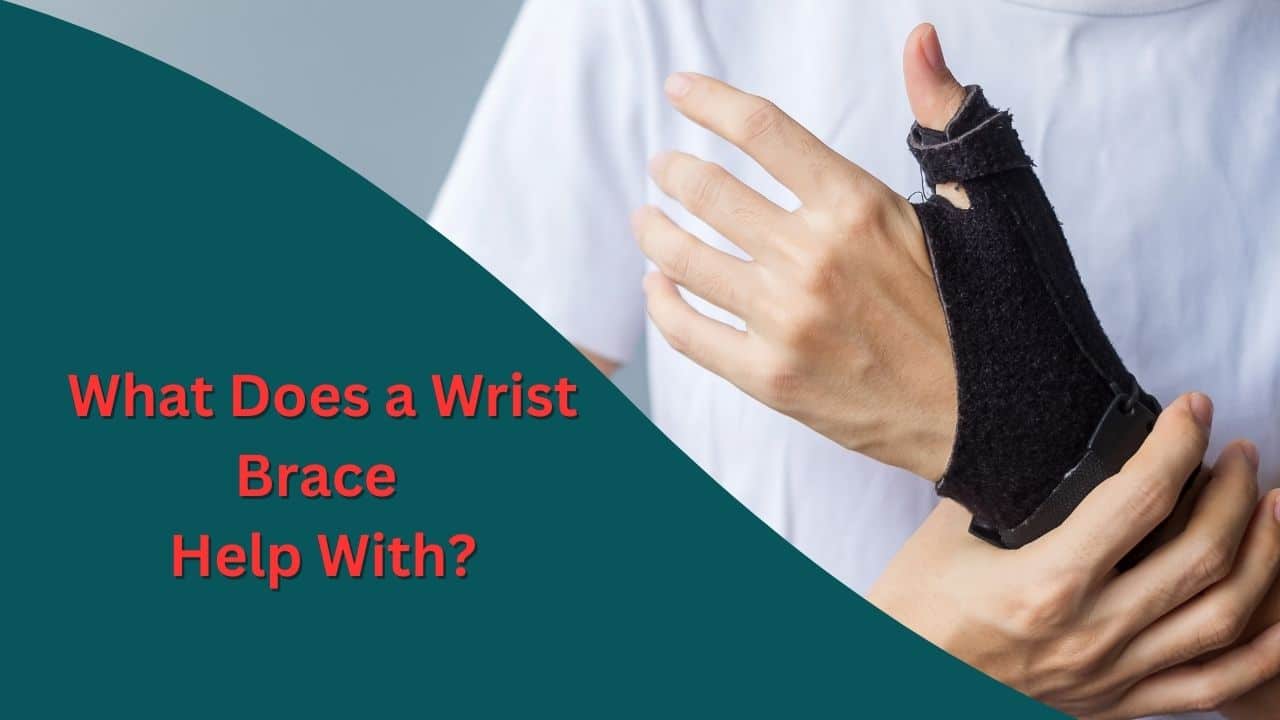
Carpal tunnel syndrome (CTS) — compression of the median nerve at the wrist, causing pain, numbness, and tingling, typically in the thumb, index, and middle fingers — is the condition most commonly associated with wrist bracing. Splinting holds the wrist in a neutral position, usually worn at night, and is typically offered as a first-line treatment before considering injections or surgery.
What the research actually shows is genuinely mixed:
- A Cochrane systematic review, examining evidence current through December 2021, concluded there is limited evidence supporting wrist splints for CTS, with inconsistent findings across studies — while splinting doesn’t appear to worsen symptoms, it may provide little or no benefit for CTS symptoms and hand function, particularly in the short term.
- A more recent 2026 study covered by Harvard Health randomly assigned 142 people with CTS to either a rigid wrist splint or a soft bandage that allowed full wrist motion. After 12 weeks, both groups showed only minimal symptom improvement, with no statistically significant difference between them — and similar proportions in both groups (57% rigid splint, 51% soft bandage) ultimately had surgery within a year.
- On the other hand, a randomized controlled trial published in the American Journal of Occupational Therapy found that patients wearing a full-time wrist support splint for 8 weeks, combined with a formal education program, experienced significantly reduced symptom severity and improved function compared to a control group.
The honest takeaway: splinting for CTS specifically appears to carry real uncertainty in the current evidence — some studies show genuine benefit (particularly when combined with patient education, and with more consistent, full-time wear), while others, including a fairly recent, well-designed comparison, found no meaningful advantage over a simple soft bandage. This isn’t a settled question, and it’s worth going in with realistic expectations rather than assuming a brace alone will resolve CTS symptoms.
A Practical Note From Health Guidance
According to patient guidance summarized via NCBI Bookshelf, splints for CTS aren’t always effective enough on their own, but they carry few side effects compared to other treatment options like steroid injections or surgery — meaning even with uncertain effectiveness, the low downside risk is part of why they remain a commonly recommended first step, rather than because the evidence is unambiguous.
Tendinitis and Tendon-Related Wrist Pain
Wrist braces are also commonly used for tendinitis — inflammation of the tendons around the wrist, often from repetitive strain. The general principle here is more straightforward than CTS: temporary immobilization can allow inflamed tissue to rest and reduce further irritation during activities that would otherwise aggravate it. This is a somewhat different mechanism from CTS bracing (which targets nerve compression rather than tendon inflammation specifically), and the general approach of resting an irritated tendon during aggravating activities is well-established in musculoskeletal care more broadly, even if wrist-tendinitis-specific brace research is less extensively studied than CTS.
Post-Injury Support (Sprains and Strains)
Following a wrist sprain or strain, temporary bracing or splinting can provide stability during the initial healing phase, limiting movement that could worsen the injury while allowing tissue to begin repairing. This is a more universally accepted application across musculoskeletal injury care generally — controlled, temporary immobilization following acute injury is a well-established principle, distinct from the more contested question of whether long-term bracing meaningfully changes outcomes for chronic conditions like CTS.
Wrist Support During Heavy Lifting
This is a genuinely different use case from the medical conditions above — some lifters use wrist wraps or braces during heavy pressing or overhead movements specifically for added joint stability and to reduce excessive wrist extension under load. If you’re building foundational barbell strength, our Barbell Basics for Beginners guide covers proper technique for major lifts; for lifters managing existing wrist sensitivity, a brace or wrap can provide additional support during heavier sets, though it shouldn’t substitute for addressing underlying technique issues or progressing load appropriately.
When a Wrist Brace Makes Sense to Try
- Acute injury (sprain or strain), for short-term stabilization during initial healing
- Suspected mild-to-moderate CTS, understanding the evidence is mixed rather than guaranteed, and ideally combined with formal guidance/education rather than used in isolation
- Tendinitis flare-ups, to rest the area during aggravating activities
- Heavy lifting with existing wrist sensitivity, as additional support alongside proper technique
When a Brace Isn’t a Substitute for Proper Care
- Persistent or worsening symptoms despite bracing — this warrants a proper medical evaluation rather than continued self-directed brace use, since the underlying cause (nerve compression, tendon damage, or something else entirely) needs accurate diagnosis to guide appropriate treatment
- Numbness, significant weakness, or muscle wasting in the hand — these can indicate more advanced nerve compression requiring prompt medical attention rather than continued conservative management alone
- Symptoms that began after a specific traumatic injury — this deserves proper evaluation to rule out fracture or more significant structural damage, not just brace-and-wait
A Reasonable Approach If You’re Considering a Wrist Brace
- Get an accurate diagnosis first if symptoms are persistent — CTS, tendinitis, and other wrist conditions can have overlapping symptoms but require different management approaches; a doctor or physical therapist can help identify what’s actually happening.
- If trying a brace for CTS specifically, go in with realistic expectations given the mixed evidence — combining it with other approaches (activity modification, professional guidance) may serve you better than relying on the brace alone.
- For acute injuries, use bracing as directed for the initial healing period, then work toward restoring normal movement rather than prolonged, indefinite immobilization, which can lead to stiffness and weakness over time.
- For lifting-related wrist support, address underlying technique and load progression issues rather than relying on a brace to compensate for a form problem — our guide on forearm strengthening covers building genuine wrist and forearm resilience as a complementary approach.
Common Mistakes When Using a Wrist Brace
- Assuming a brace will definitively resolve CTS symptoms, when the current evidence doesn’t support this level of certainty, particularly for rigid splinting compared to simpler alternatives.
- Wearing a brace indefinitely without reassessing, rather than treating persistent symptoms as a signal to seek proper diagnosis and more targeted treatment.
- Using a brace as a substitute for addressing an underlying cause — whether that’s repetitive strain from work ergonomics, lifting technique, or an unaddressed medical condition.
- Ignoring worsening symptoms while continuing to rely solely on a brace, when these warrant prompt medical evaluation instead.
Frequently Asked Questions
Should I get a wrist brace if I think I have carpal tunnel syndrome?
It’s a reasonable first step given the low downside risk, but go in understanding the evidence for effectiveness is genuinely mixed — and if symptoms persist or worsen, seeing a doctor for proper evaluation and more targeted treatment options is the appropriate next step.
Is it bad to wear a wrist brace all the time?
Prolonged, unnecessary immobilization can contribute to stiffness and some muscle weakness over time; braces are generally best used for a specific purpose (nighttime CTS management, acute injury recovery, or during specific aggravating activities) rather than continuous, indefinite wear without reassessment.
Can a wrist brace prevent injuries during lifting?
It can provide additional joint support and stability, particularly for lifters with existing wrist sensitivity, but it shouldn’t replace proper lifting technique and appropriate load progression as the primary injury-prevention strategy.
Bottom Line
Wrist braces are used across several genuinely different situations — carpal tunnel syndrome, tendinitis, acute injury recovery, and lifting support — with meaningfully different levels of evidence behind each. For CTS specifically, the research is more contested than commonly assumed, with some studies showing real benefit and a recent, well-designed comparison finding no meaningful advantage over a simple soft bandage. Braces generally carry low risk, making them a reasonable first step in appropriate situations, but persistent or worsening symptoms deserve proper medical evaluation rather than continued reliance on bracing alone.
Have you used a wrist brace for any of these situations? Let us know in the comments whether it made a genuine difference for you.