Summer Body Preparation Using Only Home Circuits
Quick Answer
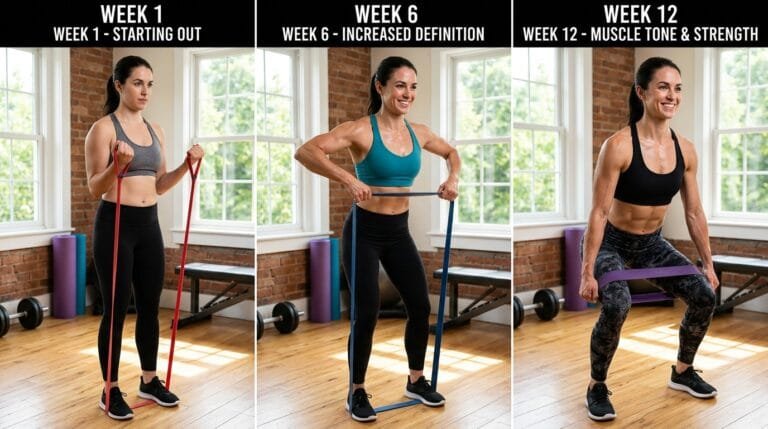
Summer body preparation using only home circuits combines progressive full-body strength movements with metabolic density to build or retain muscle while increasing calorie expenditure. Perform 3–5 circuit sessions per week using bodyweight, resistance bands, dumbbells, or a single kettlebell. Structure each session around compound patterns (squat, hinge, push, pull, core), keep rest periods short, and apply progressive overload through added repetitions, slower tempos, or modest load increases. Consistency over 8–12 weeks, paired with adequate protein and recovery, produces visible improvements in strength, conditioning, and body composition without a commercial gym.
Why Home Circuits Work for Summer Preparation
Summer goals typically centre on looking and feeling stronger, leaner, and more athletic. Home circuits address these goals by delivering two key stimuli in one session: mechanical tension for muscle retention or growth and elevated heart rate for increased energy expenditure. Because the work is continuous or semi-continuous, circuits are time-efficient—important when motivation is high but schedules remain busy. Minimal equipment keeps the barrier to entry low, while progressive methods ensure the body continues adapting across the preparation period.
Core Principles for Effective Summer Circuit Training
- Full-body emphasis – Train the major movement patterns each session to maximise muscle recruitment and metabolic demand.
- Progressive overload – Circuits must get harder over time through reps, tempo, load, or density.
- Controlled technique under fatigue – Form quality protects joints and maintains muscle stimulus.
- Sustainable frequency – 3–5 sessions per week balances stimulus and recovery.
- Recovery support – Sleep and protein intake determine how well the body responds.
- Realistic time frames – Meaningful changes usually require 8–12 weeks of consistency.
Essential Movement Patterns for Home Circuits
| Pattern | Purpose | Home-Friendly Options | Progression Methods |
|---|---|---|---|
| Squat / Lunge | Lower-body strength and metabolic load | Goblet squat, reverse lunge, split squat | Tempo, pause, load, unilateral |
| Hinge | Posterior chain and posture | Romanian deadlift, single-leg RDL, hip thrust | Range, tempo, load |
| Push | Upper-body pushing strength | Push-up variations, floor press, band press | Elevation, tempo, load |
| Pull | Upper-back balance and posture | Single-arm row, band row, inverted row | Load, tempo, pause |
| Core / Carry | Stability and work capacity | Dead bug, plank, suitcase carry | Duration, resistance, complexity |
Shoulder-friendly technique keeps pressing and raising movements sustainable throughout higher-volume circuit training (Bent Arms vs. Straight Arms in Lateral Raises, The Hidden Mistake in Lateral Raises, and 3 Lateral Raise Modifications). Grip strength supports loaded carries and rowing variations (Do Hand Grippers Really Work?).
Step-by-Step Framework for Summer Circuit Programming
- Choose 4–6 compound exercises
Cover squat/lunge, hinge, push, pull, and core patterns. - Select available equipment
Bodyweight alone works; bands, dumbbells, or a kettlebell expand options. - Decide session frequency
3–5 circuits per week is effective for most people. - Set the circuit structure
Perform exercises in sequence with short rest (20–45 seconds) between movements and 1–2 minutes between rounds. - Begin with manageable volume
2–4 rounds of 8–12 controlled repetitions per exercise. - Apply progressive overload weekly
Add repetitions, slow the tempo, reduce rest, or increase load. - Control every repetition
Especially under fatigue—quality maintains stimulus and safety. - Track performance
Log rounds completed, loads, and how the session felt. - Support with recovery habits
Prioritise sleep and protein intake. - Reassess every 4 weeks
Adjust exercises or volume based on progress and recovery.
Sample Home Circuit Templates
Circuit A – Strength-Bias (30–40 minutes)
- Goblet squat or reverse lunge – 8–12 per side
- Romanian deadlift or single-leg RDL – 8–12
- Push-up variation – 8–12
- Single-arm row – 10–15 per arm
- Dead bug or plank – 20–40 seconds
Complete 3–4 rounds. Rest 30 seconds between exercises and 90–120 seconds between rounds.
Circuit B – Density / Conditioning-Bias (25–35 minutes)
- Split squat – 10 per leg
- Hip thrust or glute bridge – 12–15
- Band or dumbbell press – 10–12
- Inverted or band row – 10–15
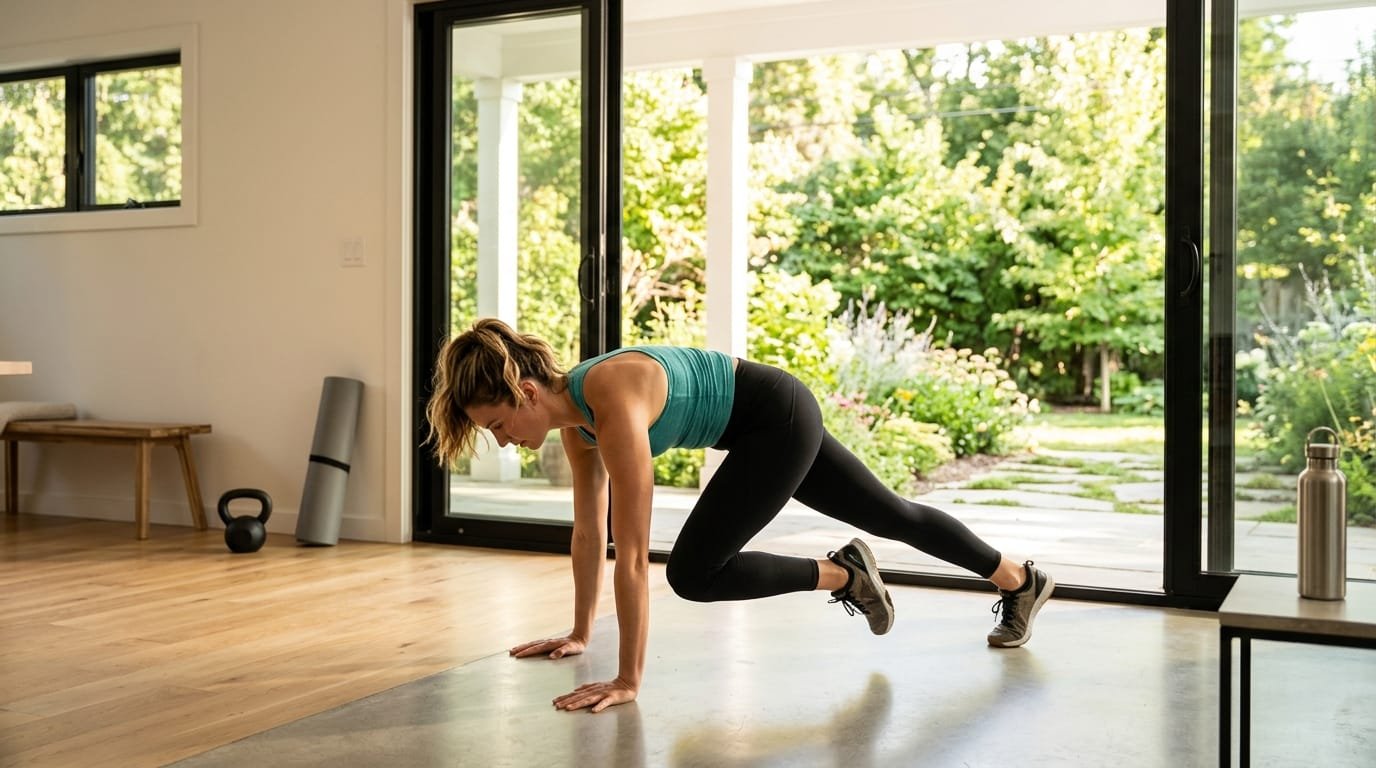
- Suitcase carry or mountain climbers (controlled) – 30 seconds
Complete 4–5 rounds with shorter rest (20–30 seconds between exercises).
Circuit C – Minimal Equipment / Travel Version
- Bodyweight squat or lunge – 12–15
- Single-leg glute bridge – 10–12 per side
- Push-up variation – 8–15
- Inverted row or towel row – 10–15
- Dead bug – 8–10 per side
Use tempo and pauses to increase difficulty when load is unavailable.
Progressive Overload Methods for Circuits
- Increase repetitions within the target range
- Slow the eccentric phase to 3 seconds
- Add a 1–2 second pause at the hardest point
- Reduce rest periods between exercises or rounds
- Add rounds once current volume feels manageable
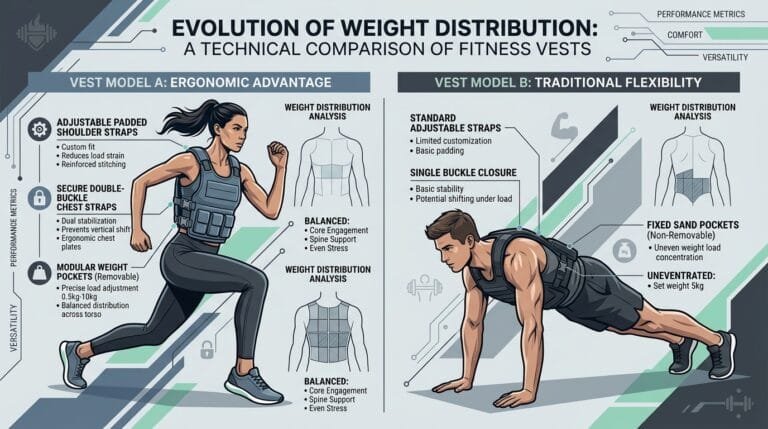
- Increase external load (stronger band, heavier dumbbell, or vest)
- Move to more demanding variations (unilateral, elevated feet, etc.)
Change only one variable at a time so progress remains clear.
Weekly Structure Examples
3-Day Schedule
Monday: Circuit A
Wednesday: Circuit B
Friday: Circuit A or C
4-Day Schedule
Monday: Circuit A
Tuesday: Optional easy walk or mobility
Thursday: Circuit B
Saturday: Circuit A or C
Keep at least one full rest day and monitor joint response.
Supporting Factors for Visible Summer Results
Protein Intake
Aim for roughly 1.6–2.2 g of protein per kilogram of body weight to support muscle retention and recovery.
Sleep
7–9 hours most nights improves recovery, hormone balance, and training quality.
Daily Movement
Brisk walking on non-circuit days increases total energy expenditure without excessive fatigue.
Consistency Over Perfection
Missing occasional sessions is normal. Returning immediately matters more than perfect adherence.
Common Mistakes That Limit Summer Progress
| Mistake | Result | Better Approach |
|---|---|---|
| Turning every circuit into a race | Form breakdown and joint stress | Controlled tempos, quality repetitions |
| No progressive overload plan | Early plateau | Track and advance one variable weekly |
| Excessive volume with insufficient recovery | Persistent fatigue | 3–5 quality sessions with rest days |
| Neglecting pulling movements | Shoulder and posture imbalance | Match or exceed pushing volume |
| Relying only on high-rep bodyweight work | Limited strength stimulus | Include progressive loading or advanced variations |
| Ignoring nutrition and sleep | Reduced body-composition change | Treat recovery as part of the program |
Equipment Options for Home Circuits
| Equipment | Circuit Value | Storage | Best Use |
|---|---|---|---|
| Bodyweight only | High | None | Travel and beginners |
| Resistance bands | Very high | Excellent | Scalable resistance and variety |
| Dumbbells (one pair) | Very high | Low–moderate | Loading of all major patterns |
| Kettlebell (single) | High | Low | Swings, goblets, carries |
| Suspension trainer | High | Low | Rows and instability challenges |
Most people achieve excellent results with bands plus one pair of dumbbells or a single kettlebell.
Strength training remains one of the most effective tools for improving body composition and metabolic health (strength training guidance). Practical home-gym approaches emphasise simple, repeatable systems that fit real schedules (home gym equipment prioritisation and budget home gym principles).
Frequently Asked Questions
How many weeks of circuit training are needed for noticeable results?
Most people see improvements in strength, conditioning, and body composition within 6–8 weeks. More dramatic changes typically require 10–12 weeks of consistency.
Can I build muscle with home circuits?
Yes, provided progressive overload is applied and protein intake is sufficient. Circuits that include challenging compound movements create effective mechanical tension.
How long should each circuit session last?
25–45 minutes is sufficient for most summer-preparation goals when density and effort are appropriate.
Is it better to do circuits every day?
No. 3–5 sessions per week with recovery days produces better long-term results than daily high-effort circuits.
What if I have limited equipment?
Bodyweight progressions, tempo work, and unilateral variations allow continued progress. Bands dramatically expand options at low cost and storage impact.
Should I add extra cardio?
Additional brisk walking is useful for increasing total energy expenditure. High-intensity cardio is optional and should not compromise recovery from strength circuits.
How do I know if I’m progressing?
Track rounds completed, repetitions, loads, and rest periods. Improvement in any of these variables under good form indicates progress.
Can beginners use these circuits?
Yes. Start with fewer rounds, longer rest, and the easiest variations of each movement. Focus on technique before density.
Final Recommendation
Summer body preparation using only home circuits succeeds when full-body compound movements are performed with progressive overload, controlled technique, and consistent frequency. Structure 3–5 weekly sessions around squat, hinge, push, pull, and core patterns, keep rest periods moderate, and advance through repetitions, tempo, density, or load. Support the training with adequate protein and sleep.
Choose one of the sample circuits today, schedule three sessions this week, and begin with loads or variations you can control for quality repetitions. Track your performance and progress one variable at a time. When circuits are programmed this way, strength, conditioning, and body-composition improvements accumulate steadily without requiring a commercial gym. Start the first session now—the combination of progressive tension and metabolic demand delivers reliable results across an 8–12 week preparation period.