Best Massage Gun for Post-Workout Recovery on a Budget
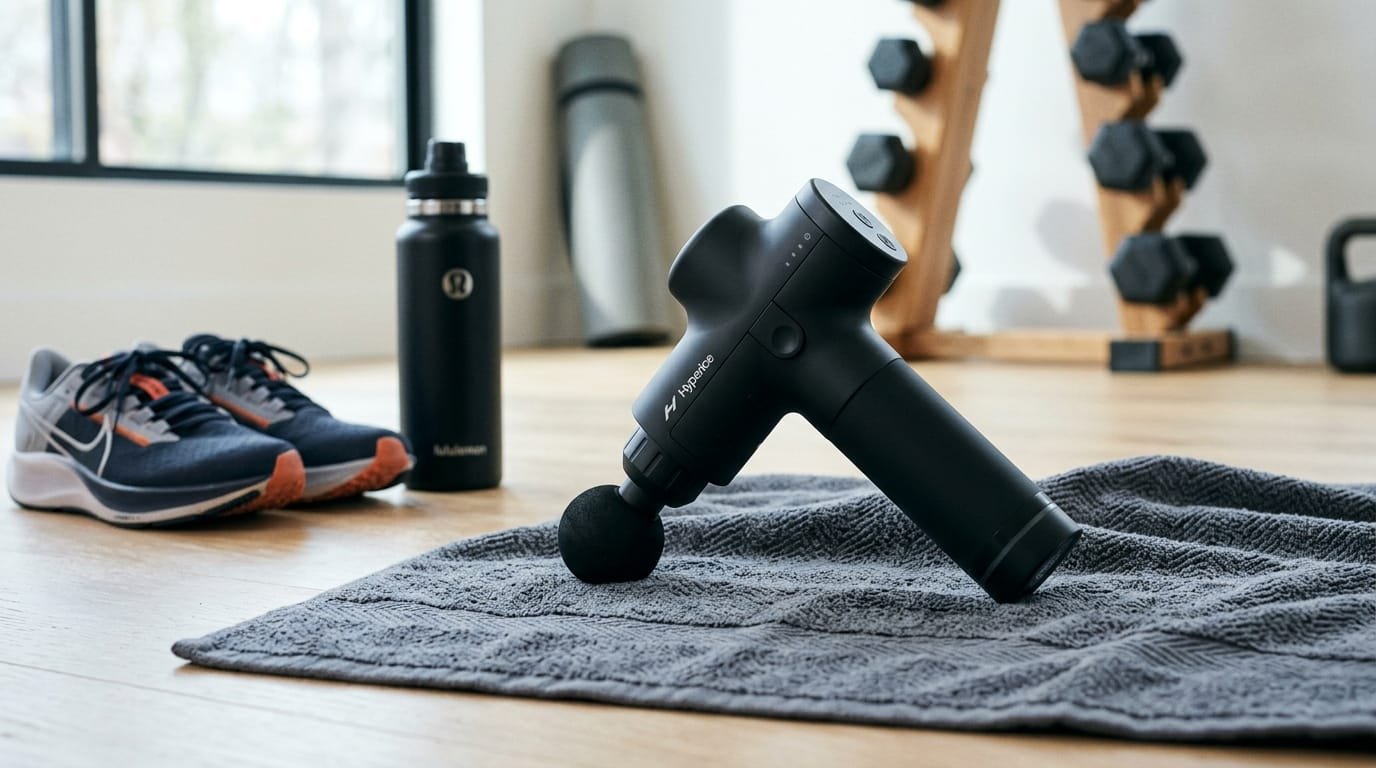
Quick Answer For effective post-workout recovery without spending $200 or more, choose a percussion massage gun in the $50–$160 range that offers at least 10–12 mm amplitude, 30+ lb stall force, multiple speed settings, several attachment heads, and 3–6+ hours of battery life. Strong budget performers in 2026 include the Ekrin Athletics BANTAM, Bob and Brad C2 series, Toloco EM26, LifePro Sonic, and select Renpho models. These deliver meaningful reductions in muscle soreness and improved recovery for most home-gym and recreational athletes. Prioritize verified amplitude and stall force over brand prestige or extra features.
Why a Budget Massage Gun Works for Real Recovery
Percussion therapy uses rapid, targeted pulses to increase local blood flow, reduce muscle tension, and help manage delayed-onset muscle soreness (DOMS). When applied correctly after training, a quality massage gun can improve perceived recovery, support range of motion, and make subsequent sessions feel better.
Independent testing and large-scale user feedback show that many sub-$150 devices now close much of the practical performance gap with far more expensive units. You do not need a $400–$600 flagship model for everyday post-workout use. The decisive factors are amplitude (stroke depth), stall force (how much pressure the motor can handle before stalling), usable speed range, and attachment variety rather than app connectivity or marginal gains in quietness.
Key Specifications That Matter Most
Amplitude Measures how far the head travels with each stroke (commonly 6–16 mm). For meaningful tissue work after strength or high-volume training, target 10–12 mm or higher. Lower amplitudes suit warm-ups or sensitive areas.
Stall Force Indicates the pressure the device can sustain before the motor stalls. Aim for 30 lb or more for effective work on larger or denser muscle groups such as quads, glutes, and back.
Speed / Percussions Per Minute (PPM) Most productive recovery work occurs between roughly 1,800–3,200 PPM. Multiple discrete speed settings allow you to start gentle and progress as needed.
Attachments A core set of 4–6 heads (ball/round, flat, bullet/point, fork/U-shaped) covers the majority of needs. Extra specialized heads are convenient but secondary on a budget.
Battery Life, Weight & Noise 3–6+ hours of runtime and a weight under 2.5 lb support consistent use. Quieter operation (ideally under 50–55 dB) improves the experience in shared living spaces.
Budget vs. Premium Reality Check
| Factor | Strong Budget Options ($50–$160) | Premium ($250+) |
|---|---|---|
| Amplitude | Often 10–12 mm | Frequently 12–16 mm |
| Stall Force | 25–40+ lb on good models | 40–60+ lb |
| Battery Life | 3–6+ hours common | Similar or modestly better |
| Noise | Variable (some very quiet) | Generally quieter |
| Build & Warranty | Good on reputable brands | Often superior / longer |
| Extra Features | Basic speeds & heads | Apps, heat, advanced ergonomics |
| Practical recovery value | High for most users | Diminishing returns for everyday needs |
For typical post-workout recovery, the performance difference is often smaller than the price difference suggests. Detailed comparisons and testing from sources such as Garage Gym Reviews and TechGearLab support this conclusion.
Specific Budget Models Worth Considering
Ekrin Athletics BANTAM Frequently ranked among the strongest overall budget or best-mini options. Progressive stall force (up to ~35 lb), excellent battery life (up to 6 hours), compact size, and lifetime warranty make it a standout for portable yet capable recovery.
Bob and Brad C2 / C2 Pro Designed with physical-therapist input and known for transparent specs. Solid balance of power, weight, and price for users who prefer clinically oriented design.
Toloco EM26 One of the highest-volume budget performers. Offers competitive 12 mm amplitude and a generous set of heads at a very low price point—excellent when maximizing features per dollar is the priority.
LifePro Sonic Strong value with multiple attachments and reliable battery life. Frequently recommended for versatility; some versions include lifetime warranty coverage.
Renpho Models (R4, Mini, Thermacool variants) Dominant in the affordable segment. Many versions add heat or heat/cold functionality that premium guns often charge extra for. Performance is generally solid for the price.
Ekrin Athletics B37 (upper-budget value) Delivers higher stall force (up to 56 lb in some tests) and longer battery life. Worth stretching the budget for if you want noticeably stronger performance and a lifetime warranty.
Step-by-Step Buying Process
- Set a firm budget ceiling (ideally under $160 for strong value).
- Filter for amplitude of at least 10 mm and stall force of 30 lb or higher.
- Confirm the number and usefulness of included attachments.
- Review recent independent tests and user feedback focused on real-world stall force and durability.
- Decide between full-size power and mini portability.
- Check battery life claims and charging convenience (USB-C is preferred).
- Prefer models with at least a 1-year warranty; lifetime coverage is a meaningful plus.
- Avoid the absolute cheapest no-name units that lack clear specifications.
- Plan to start conservatively on speed and pressure.
- Treat the gun as one tool within a complete recovery system rather than a complete solution.
How to Use a Massage Gun Effectively After Workouts
- Allow immediate post-exercise intensity to subside, or use very lightly as part of a cool-down.
- Begin on the lowest effective speed and pressure.
- Move the head slowly across muscle bellies (quads, hamstrings, calves, glutes, back, shoulders). Avoid prolonged pressure on one spot and never press into bone or joints.
- Spend roughly 30–90 seconds per major muscle group.
- Use larger heads (ball or flat) for broad areas and smaller heads (bullet or fork) for more targeted work.
- Combine with light stretching or mobility work for better overall results.
- Stop if you experience sharp pain; mild discomfort that eases is typically normal.
Integrating the Massage Gun into Your Broader Training
A budget massage gun delivers the most value when paired with solid programming and recovery habits. Use it after sessions involving adjustable dumbbells, kettlebells, or weight bench work to address residual tension. It supports the shoulder health required for safe lateral raise variations and helps maintain grip endurance by reducing forearm tightness after heavy pulling or carrying.
Place the device on a stable surface or use it while seated on a quality home gym floor mat. Many athletes also combine short percussion sessions with light cardio on a manual treadmill or resistance-band mobility flows for comprehensive recovery.
Common Mistakes That Reduce Effectiveness
- Selecting purely on lowest price without verifying amplitude and stall force.
- Applying excessive pressure or high speeds on sensitive or bony areas.
- Expecting the device to replace sleep, nutrition, or intelligent programming.
- Ignoring noise levels in shared living situations.
- Failing to charge the unit or store attachments properly.
- Using it on acute injuries, open wounds, or contraindicated areas without professional guidance.
Frequently Asked Questions
Can a budget massage gun match expensive models for recovery? For most recreational and intermediate athletes, yes. Once core specifications reach solid mid-tier levels, everyday post-workout benefits are often very similar.
What matters more—amplitude or stall force? Both are important. Amplitude governs depth of penetration; stall force determines how much pressure you can apply before the motor stalls. Seek a balanced combination.
How often should I use it after workouts? Most people benefit from short sessions (5–15 minutes total) on training days or the following day after intense work. Daily light use is acceptable for many, but individual response varies.
Are mini massage guns powerful enough? Well-designed mini models can be highly effective for targeted work and travel. Full-size units generally provide higher stall force and easier coverage of large muscle groups.
Is heat a must-have feature on a budget gun? Helpful but not essential. Heat can enhance blood flow, yet many highly effective budget devices omit it and still produce excellent results.
Should brand name drive the decision? Focus first on verified specs, recent independent reviews, and warranty rather than prestige alone. Several lesser-known brands now produce excellent value devices.
Final Recommendation
A carefully chosen budget massage gun in the $50–$160 range can meaningfully improve post-workout recovery for the large majority of home-gym users and recreational athletes. Prioritize 10–12 mm+ amplitude, 30 lb+ stall force, multiple usable speeds and heads, and reliable battery life. Models such as the Ekrin Athletics BANTAM, Bob and Brad C2 series, Toloco EM26, LifePro Sonic, and strong Renpho options consistently meet these criteria.
Assess your actual needs (power versus portability, noise tolerance, frequency of use), consult recent testing from sources including Garage Gym Reviews and TechGearLab, and select a device you will use regularly. Combined with consistent training, adequate sleep, and good nutrition, an affordable percussion massager becomes a high-return recovery tool that supports more consistent training and reduced lingering soreness—without overspending.
Choose quality core specifications over marketing claims, begin conservatively with pressure and speed, and integrate the gun into a complete recovery routine. The outcome is faster bounce-back, less residual tightness, and better long-term training consistency.