Power Tower Buying Guide: Features for Pull-Ups, Dips, and More
Quick Answer A good power tower combines a pull-up bar, dip station, vertical knee-raise (VKR) pads, and often push-up handles into one freestanding unit. Prioritize a wide, stable base (H-style or extended), a weight capacity of at least 400–450 lb, adjustable height for your body size, comfortable padding, and solid steel construction. In 2026, models like the Sportsroyals Power Tower frequently rank highest for most home users due to their balance of stability, adjustability, and value. Choose a power tower if you want multiple bodyweight stations without drilling into walls or buying separate pieces of equipment.
Why a Power Tower Belongs in Many Home Gyms
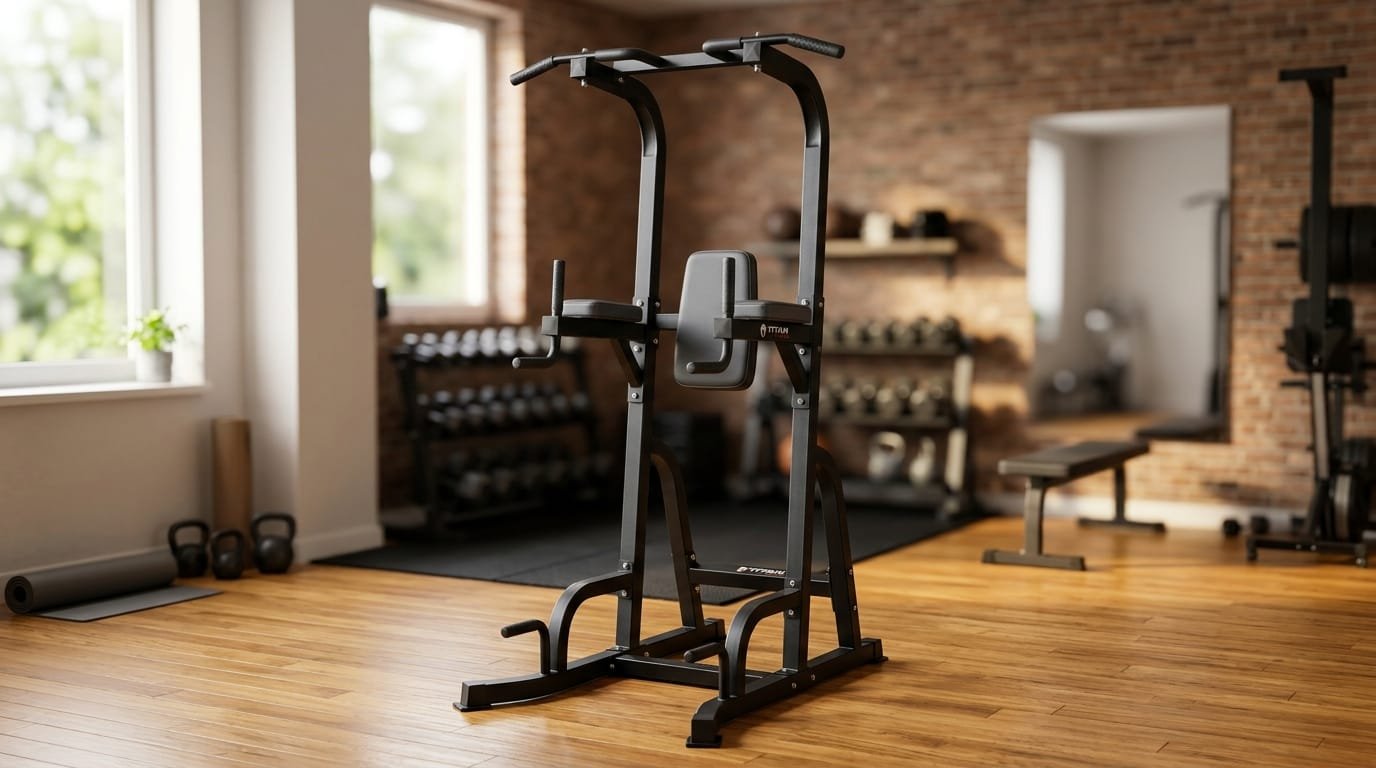
A power tower is one of the most efficient pieces of equipment for bodyweight strength training. In a relatively compact footprint it delivers:
- Multiple grip pull-ups and chin-ups
- Parallel-bar or angled dips
- Vertical knee raises / hanging leg raises
- Push-up variations
- Support holds and some inverted-row options
This combination covers the major upper-body pushing and pulling patterns plus core work. For people who lack a full power rack or wall-mounting options, a quality tower provides a complete vertical training station at a fraction of the cost and complexity of a full cage.
Independent testing from sites such as Strong Home Gym and Garage Gym Reviews consistently shows that stability and height adjustability are the two features that separate usable towers from frustrating ones.
Core Features That Actually Matter
1. Stability and Base Design The single most important factor. Look for a wide H-base or extended footprint with multiple non-slip feet. A narrow or lightweight base will rock during dips or dynamic pull-ups. Higher weight ratings usually correlate with thicker steel and better bracing.
2. Weight Capacity Aim for 400 lb minimum, preferably 450 lb or higher. This provides headroom for bodyweight plus a weighted vest or dip belt as you progress. A higher rating is also a proxy for overall build quality.
3. Height Adjustability Fixed-height towers often leave shorter users unable to hang fully or taller users hitting the floor with their knees. Multi-position pull-up bars (6–8 settings) and adjustable backrests make the unit usable for a wider range of body sizes and shared households.
4. Grip Options and Comfort A multi-grip pull-up bar (wide, narrow, neutral) increases exercise variety. Foam or contoured padding on dip handles and armrests reduces pressure on the forearms and elbows during longer sets.
5. Station Completeness Essential stations: pull-up bar, dip bars, and VKR/arm pads. Bonus stations such as low push-up handles or rowing positions add value but should not come at the expense of primary stability.
6. Footprint and Ceiling Clearance Most freestanding towers occupy roughly 3.5–4.5 feet in each direction and stand 80–90+ inches tall. Measure your space carefully, including overhead clearance for full hang.
Comparison of Power Tower Types and Alternatives
| Option | Stability | Exercise Variety | Footprint | Installation | Best For |
|---|---|---|---|---|---|
| Freestanding Power Tower | Good to Excellent | High (4+ stations) | Moderate–Large | Assembly only | Most home users wanting convenience |
| Wall-Mounted Tower/Station | Excellent | Medium–High | Minimal | Permanent drilling | Permanent setups with solid walls |
| Doorway Pull-Up Bar | Variable | Low (pull-ups mainly) | None | Minimal | Renters, absolute beginners |
| Separate Dip Station + Bar | Excellent (each) | High (if both owned) | Multiple pieces | Varies | Users who want optimal individual stations |
| Power Rack with Attachments | Highest | Very High | Large | Assembly | Serious strength athletes |
Step-by-Step Buying Process
- Measure available floor space and ceiling height.
- Determine your current body weight and any planned external load (vest or belt). Add a safety margin of at least 50–100 lb when choosing capacity.
- Decide whether height adjustability is essential (shared use or wide height range in household).
- Prioritize base width and overall weight of the unit—heavier, wider bases are more stable.
- Check padding quality and grip options in recent reviews.
- Verify assembly complexity and whether tools beyond the included hardware are needed.
- Read recent owner feedback focused on wobble under load, long-term bolt tightness, and padding durability.
- Compare current pricing and warranty terms.
- Consider future progression: will the tower support weighted work as you get stronger?
- If space is extremely limited, evaluate wall-mounted or compact alternatives before committing.
How a Power Tower Fits into a Complete Home Training System
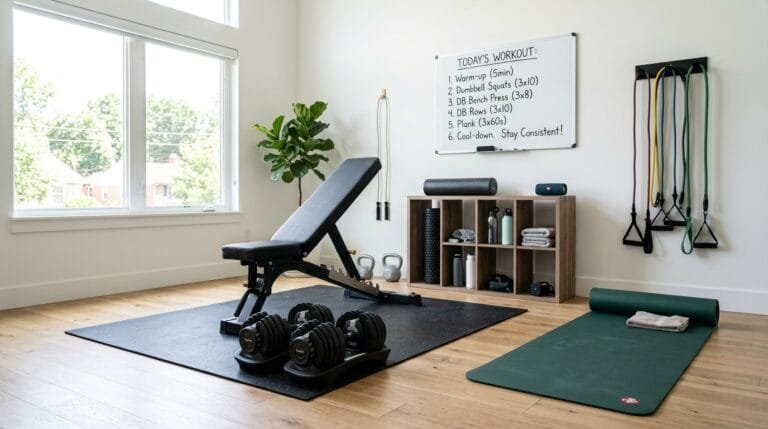
A power tower pairs exceptionally well with free-weight training. Use it for pulling and core work after adjustable dumbbell or kettlebell sessions. The dip station complements pressing movements performed on a weight bench. Strong grip endurance improves pull-up performance, while solid scapular control (the same principles covered in lateral raise form guidance) protects the shoulders during high-volume vertical pulling.
Place the tower on a quality home gym floor mat for better traction and floor protection. Many athletes also combine power-tower work with resistance bands for assisted pull-ups or added resistance on dips.
Common Mistakes to Avoid
- Choosing the cheapest tower without checking base width and real-world stability.
- Ignoring height adjustability and ending up with a unit that does not fit your body.
- Underestimating the floor space and ceiling clearance required.
- Overlooking padding quality—thin or poorly shaped pads become painful quickly.
- Assuming all “450 lb” ratings are equal; look at base design and steel thickness as supporting evidence.
- Buying a tower when a power rack or wall-mounted solution would better match long-term goals.
Frequently Asked Questions
Are power towers stable enough for weighted pull-ups and dips? Quality models with wide bases and 400–450+ lb ratings handle moderate external load well when used with controlled form. Always stay within the manufacturer’s guidelines and prioritize strict technique.
How much space does a typical power tower need? Plan for roughly 4 × 4 feet of floor space plus clearance around the unit for safe entry and exit. Ceiling height of at least 8–9 feet is usually required for full hang.
Is a power tower better than a doorway pull-up bar? Yes for versatility and stability, provided you have the floor space. Doorway bars win only on minimal footprint and zero permanent installation.
Can one power tower replace separate pull-up and dip stations? For most home users, yes. Dedicated stations can offer slightly better individual ergonomics, but a well-designed tower covers the majority of needs in one footprint.
How important is height adjustability? Very important if multiple people of different heights will use the unit, or if you are significantly shorter or taller than average.
Should beginners buy a power tower? Yes if they have the space and plan to train pull-ups, dips, and core work regularly. Many models support assisted variations with bands.
Final Recommendation
For the majority of home-gym users seeking an efficient way to train pull-ups, dips, knee raises, and related movements, a freestanding power tower with a wide stable base, 400–450 lb capacity, and height adjustability is the practical choice. Models that consistently score well in independent testing—particularly those emphasizing extended bases and multi-position bars—deliver the best long-term experience.
Measure your space and body requirements carefully, prioritize stability and adjustability over the lowest price, and select a unit that will still feel solid as you add strength and external load. When paired with free weights, mobility work, and consistent programming, a quality power tower becomes one of the highest-utility pieces of equipment in a compact home setup.
Assess your available floor and ceiling space, determine the stations you will actually use most, and invest in a tower whose base and capacity inspire confidence under load. Proper selection turns a single piece of equipment into a versatile vertical training hub that supports years of progressive bodyweight strength development.