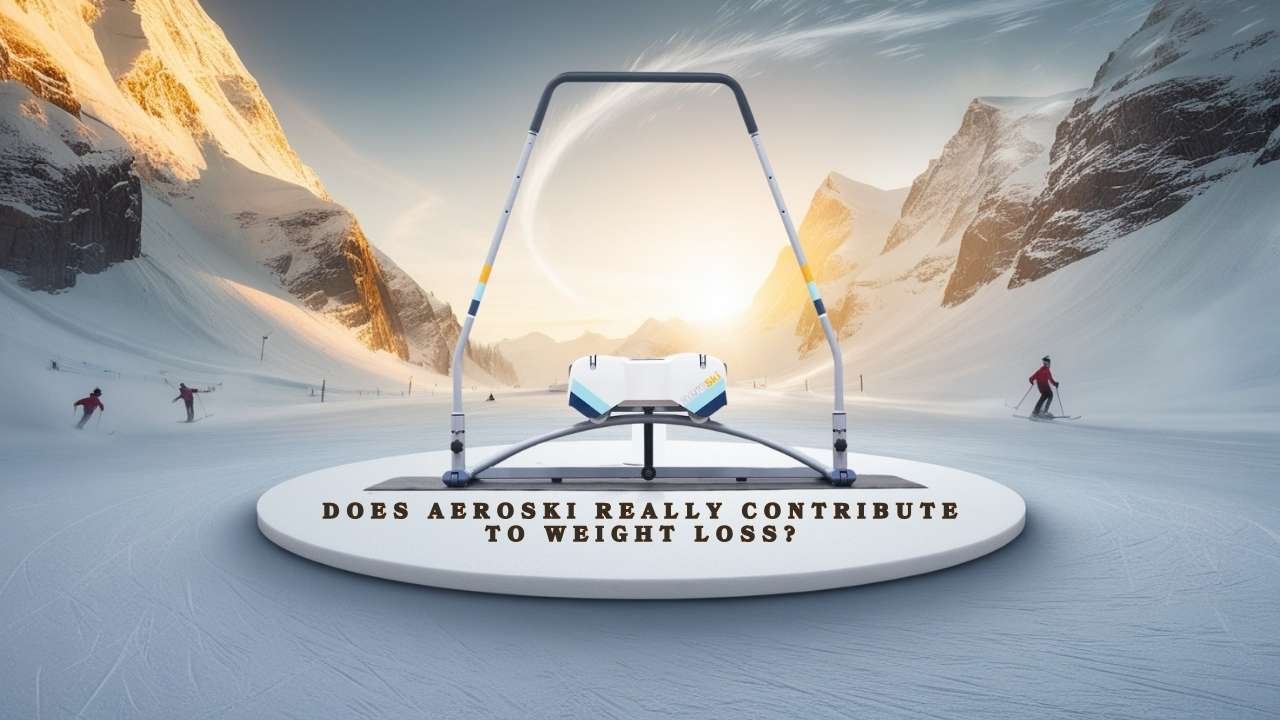
Does Aeroski or Skiers edge Really Contribute to Weight Loss?
Quick answer: AeroSki is a home fitness machine simulating downhill skiing’s side-to-side motion, using adjustable resistance to train frontal-plane (lateral) movement. This movement plane is genuinely under-trained in most typical exercise routines and has real value for injury prevention and athletic performance — but the manufacturer’s specific claim that “clinical studies proved” it burns more calories than cycling or treadmill use isn’t backed by any study I could locate, so that particular claim shouldn’t factor into your decision.
Researched and written by the GymGoodies team, fact-checked against manufacturer specs and current fitness guidance.
AeroSki markets itself as a unique alternative to traditional cardio equipment, built around replicating the side-to-side glide of downhill skiing. Here’s an honest look at what it actually trains, separating the genuinely useful training science from unverified marketing claims.
What AeroSki Actually Is
The machine consists of a frame with two angled foot platforms that move in a side-to-side, skating-like motion, using adjustable spring resistance to control workout intensity. Optional ski poles or handrails let you engage your upper body alongside the lower-body lateral movement, and the machine typically pairs with a companion app and, in some versions, a VR headset for an immersive training experience.
The Marketing Claim Worth Flagging
AeroSki’s own marketing states that “clinical studies proved” it’s more efficient for calorie burning and muscle toning than cycling or treadmill use. I couldn’t locate any published, citable study supporting this specific comparative claim anywhere in AeroSki’s own materials or independent sources — it’s presented without a link, author, or methodology. This doesn’t necessarily mean the underlying training concept lacks value (more on that below), but this particular comparative claim shouldn’t be taken as verified evidence.
What Real Training Science Actually Supports: Frontal-Plane Movement
Setting the specific marketing claim aside, the movement pattern AeroSki is built around — frontal plane, or side-to-side, movement — is a genuinely well-established and often under-trained aspect of exercise programming. According to the International Sports Sciences Association (ISSA), the frontal plane includes all lateral, side-to-side movement, and the muscles trained in this plane play a genuine role in preventing falls and stabilizing the body against sideways forces.
Why This Movement Plane Matters
Most everyday exercise — walking, running, standard squats, most machine-based cardio — happens primarily in the sagittal plane (forward-and-backward movement). Frontal plane training, by contrast, specifically works the muscles responsible for lateral stability: the hip abductors and adductors, along with stabilizing muscles through the ankles, knees, and core that resist unwanted sideways movement. Many well-designed athletic training programs deliberately include frontal and transverse plane work specifically because most conventional training and daily activity neglects these directions of movement, even though real-world athletic movement — cutting, pivoting, sudden direction changes — relies heavily on them.
Who Specifically Benefits From This
- Athletes in multidirectional sports (basketball, soccer, tennis, hockey) where lateral cutting and direction changes are constant demands, not occasional ones
- Anyone whose current training is heavily sagittal-plane-dominant (running, cycling, most machine-based cardio, traditional squat/deadlift-focused strength programs) and wants to fill a genuine gap in their overall movement training
- People specifically interested in balance and fall-prevention training, since frontal plane stability is directly relevant to preventing lateral loss of balance
The Low-Impact Angle
AeroSki is also marketed on its low-impact nature, and this claim is more straightforward to verify conceptually: the machine’s smooth, gliding motion, rather than repetitive ground-impact forces (as in running), genuinely reduces impact loading on joints compared to higher-impact cardio options. This isn’t a unique claim specific to AeroSki — it’s a fairly standard characteristic of gliding-motion equipment generally (similar to how elliptical machines are commonly recommended as a lower-impact alternative to running).
Practical Considerations Before Buying
Real user reviews of the AeroSki 2.0 reveal a genuinely mixed picture worth knowing about before purchasing: some users report a positive, engaging experience with a workout that “doesn’t feel like working out,” while others report assembly difficulties, unclear instructions, and at least one review noting the lateral step motion felt shorter than expected for genuinely replicating a full skiing movement pattern. This kind of variance is worth factoring in — as with any home fitness equipment purchase, actual assembly quality and movement feel can differ from marketing photos and descriptions.
How This Fits Alongside Other Training
Frontal-plane training like this is best thought of as filling one specific gap in a well-rounded program, not replacing your other training. If you’re already doing structured strength training, our Barbell Basics for Beginners guide and Booty Gains Made Easy guide cover foundational sagittal-plane compound lifts (squats, hip thrusts) that remain valuable and shouldn’t be replaced by lateral-only training. And if you’re building out training across multiple movement planes, our ChopFit Chopper guide covers rotational (transverse plane) training as a complementary third category — between sagittal (forward/back), frontal (side-to-side), and transverse (rotational) planes, a genuinely well-rounded program benefits from addressing all three rather than just the sagittal plane most conventional training defaults to.
A Reasonable Way to Evaluate Whether You Need This
- Honestly assess your current training — if it’s almost entirely sagittal plane (running, cycling, standard lifting), frontal plane work genuinely fills a real gap.
- Consider your specific goals — athletes in lateral-movement sports have a stronger case for dedicated frontal-plane equipment than someone with more general fitness goals, who might get adequate frontal-plane stimulus from simpler exercises like lateral lunges or side shuffles without needing dedicated equipment.
- Weigh equipment cost against simpler alternatives — bodyweight lateral lunges, side shuffles, and lateral band walks train the same movement plane without requiring a dedicated machine, which is worth considering if budget or space is a constraint.
- Don’t factor in the unverified “clinical studies” claim specifically when comparing this to other cardio equipment — evaluate it instead on the genuinely supported frontal-plane training concept and the practical, low-impact nature of the movement.
Common Mistakes When Approaching Lateral/Frontal-Plane Training
- Neglecting this plane entirely, which is genuinely common given how sagittal-plane-dominant most conventional programs are — this is the actual gap worth addressing, regardless of which specific tool you use to address it.
- Assuming specialized equipment is required, when bodyweight lateral lunges, side shuffles, and resistance band lateral walks can train this same movement plane effectively without a dedicated machine.
- Overweighting unverified comparative marketing claims when evaluating equipment, rather than focusing on the genuinely supported underlying training concept.
Frequently Asked Questions
Is frontal-plane training really necessary, or just a marketing trend?
It’s a genuinely established concept in exercise science and athletic training, not just fitness equipment marketing — most conventional training programs are sagittal-plane dominant, and dedicated frontal plane work fills a real, often-overlooked gap, particularly for athletes in multidirectional sports.
Do I need a machine like AeroSki, or can I train this movement pattern for free?
Bodyweight lateral lunges, side shuffles, and resistance band lateral walks can train the same frontal plane movement pattern without specialized equipment — a machine like AeroSki offers a different training experience and built-in progressive resistance, but isn’t strictly necessary to address this training gap.
Should I trust the specific comparison claims made in AeroSki’s marketing?
Be appropriately skeptical of specific comparative claims (like “clinically proven more effective than cycling”) that aren’t backed by a citable, verifiable study — this doesn’t mean the machine has no value, just that this particular claim shouldn’t be taken as verified fact.
Bottom Line
The underlying training concept behind AeroSki — frontal plane, lateral movement training — is genuinely well-supported and addresses a real gap in most conventional training programs, particularly valuable for athletes in multidirectional sports. The specific “clinically proven more effective” marketing claim, however, isn’t backed by any verifiable study, and shouldn’t be the deciding factor in your evaluation — the more honest case for this kind of training rests on established exercise science around movement planes, not an unsubstantiated comparison claim.
Do you currently include any dedicated lateral/frontal-plane training in your routine? Let us know in the comments whether you’ve noticed a difference in stability or performance from adding it.