Best Weight Bench for Beginners: Features That Actually Matter
Quick Answer For most beginners in 2026, the best weight bench prioritizes stability, a realistic weight capacity of at least 600–800 lb (body weight + load), multiple back-pad angles (flat + several inclines), comfortable high-density padding, and a secure locking system—without unnecessary complexity or extreme cost. The FLYBIRD Adjustable Workout Bench consistently ranks as a top beginner pick for its balance of affordability, foldability, and solid performance with dumbbells. Slightly more robust options like the REP Fitness AB-3000/AB-3100 series offer better long-term stability if you plan to progress quickly. Focus on these core features rather than flashy extras, and the bench will support safe, effective training for years.
Why a Good Weight Bench Matters More Than You Think for Beginners
A weight bench is one of the highest-leverage pieces of equipment you can add to a home gym. It unlocks proper form on pressing movements, rows, and core work while reducing stress on the lower back and shoulders compared with floor-only training. Beginners who skip a quality bench often develop compensatory movement patterns that become harder to correct later.
Unlike advanced lifters who may already own racks and specialized stations, beginners need a bench that is versatile enough to cover the majority of upper-body and core exercises with a pair of adjustable dumbbells or an adjustable kettlebell. The right bench also pairs well with cardio tools such as a manual treadmill for efficient full-body sessions.
Stability is non-negotiable. A wobbly bench forces you to focus on balance instead of the target muscles and increases injury risk. Independent testing from sources like Garage Gym Reviews repeatedly shows that frame design, foot geometry, and pad density separate beginner-friendly benches from those that frustrate new lifters.
The Features That Actually Matter for Beginners
Marketing lists dozens of “features.” Only a handful meaningfully affect safety, progress, and enjoyment.
1. Weight Capacity (The Safety Number) Look for a published capacity of at least 600–800 lb. This figure includes your body weight plus the dumbbells or barbell. A 180 lb person pressing two 50 lb dumbbells creates roughly 280 lb of load—leaving comfortable headroom is essential. Many budget benches claim high numbers but feel unstable near the limit. Prioritize benches that feel planted under moderate loads rather than chasing the highest advertised number.
2. Stability and Frame Design A wide base with non-slip feet and minimal flex under load is critical. Three- or four-point contact with the floor generally outperforms narrow designs. Heavier frames (40+ lb for adjustable models) tend to feel more secure. Check recent long-term user feedback for reports of wobble after months of use.
3. Adjustability (Flat + Incline Minimum) A pure flat bench limits exercise variety. Beginners benefit most from a flat-to-incline design (0° to roughly 70–85°). Multiple intermediate angles let you progress from horizontal presses to steeper shoulder-dominant work without buying extra equipment. Full FID (flat-incline-decline) benches add decline options useful for certain core and chest variations, but they are not mandatory for the first year of training.
4. Pad Width, Thickness, and Density Ideal pad width for most beginners is 11–12 inches—wide enough for support, narrow enough for natural arm path on dumbbell presses. High-density foam (rather than soft, sinky foam) provides better stability and comfort during longer sets. Thin or low-density pads can cause bruising or the feeling that you are sinking into the bench.
5. Locking Mechanism and Ease of Adjustment Ladder-style or pop-pin systems that lock positively without play are preferred. Beginners should be able to change angles quickly and confidently without tools or excessive force. Numbered or clearly marked positions help with consistency between sessions.
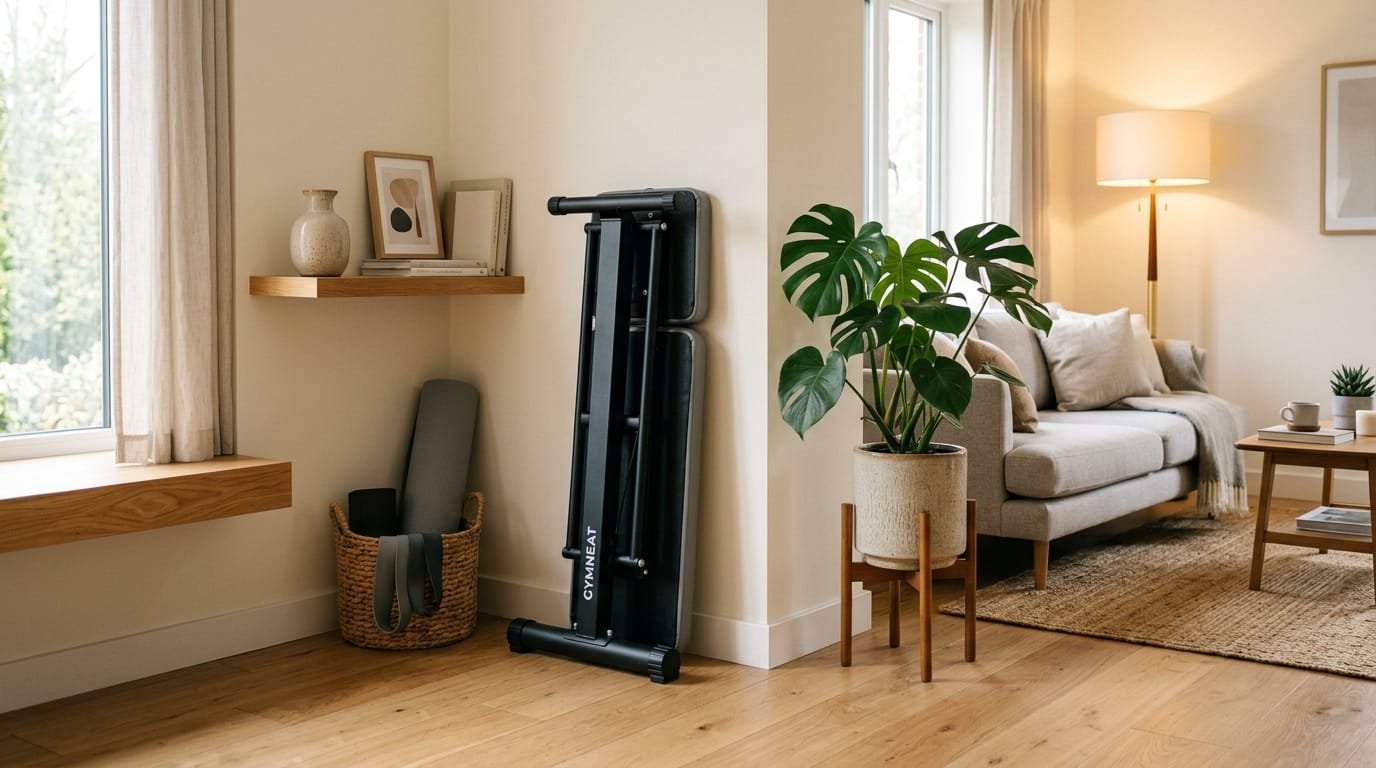
6. Portability and Storage If space is limited, a folding design that stores upright or flat is highly valuable. Transport wheels or a handle make moving the bench easier. Note that folding mechanisms can introduce a small amount of flex compared with fixed frames—test or read reviews carefully.
7. Padding and Upholstery Quality Grippy vinyl or similar material that resists slipping when you sweat improves safety. Stitching should look durable. Cheap upholstery tears or becomes sticky over time.
8. Price-to-Performance Ratio For beginners, $100–$250 is the realistic sweet spot. Spending significantly more is worthwhile only if you already know you will train heavy or want commercial-grade longevity. Extremely cheap benches (<$80) frequently compromise on stability and pad quality.
Step-by-Step Guide to Choosing Your First Weight Bench
- Measure your available floor space and decide whether the bench must fold or store vertically.
- Estimate your current and near-future working weights (include body weight). Choose a capacity with at least 50% headroom.
- Decide on adjustability needs: flat-only (cheapest and most stable), flat + incline, or full FID.
- Set a firm budget.
- Shortlist 2–3 models that meet the capacity, stability, and adjustability criteria.
- Read recent owner reviews focusing on long-term stability, pad durability, and ease of angle changes.
- Confirm warranty terms and return policy.
- Once received, assemble carefully, re-tighten bolts after the first week, and test all positions with light loads before heavier work.
Comparison of Strong Beginner Options in 2026
| Model | Type | Capacity | Key Strengths | Best For | Approx. Price Range |
|---|---|---|---|---|---|
| FLYBIRD Adjustable Workout Bench | Foldable FID | 600–800 lb | Affordable, folds, multiple angles | Most beginners, tight spaces | $100–$160 |
| REP Fitness AB-3000 / AB-3100 | Adjustable FID | 1,000 lb | Excellent stability, solid build | Beginners who will progress | $250–$400 |
| Bowflex 5.1S Stowable Bench | Foldable | 600 lb | Premium feel, easy storage | Apartments, frequent moving | $300–$400 |
| Titan Fitness Series | Adjustable | 650–1,000 lb | Good value, solid construction | Budget-conscious progression | $150–$250 |
| Basic flat utility benches | Flat only | 700–1,000 lb | Maximum stability, simple | Pure pressing focus | $100–$200 |
Data drawn from recent testing and user feedback compiled by Garage Gym Reviews and similar independent sources. Always verify current specifications and pricing.
How Beginners Should Use a Weight Bench Safely
Start with bodyweight or very light dumbbell movements to learn positioning. Key beginner exercises include:
- Flat and incline dumbbell presses
- Single-arm and two-arm rows
- Seated overhead presses
- Hip thrusts and glute bridges
- Basic core work (weighted sit-ups or Russian twists if appropriate)
When performing pressing movements, keep shoulder blades retracted and avoid excessive arching. For lateral raises or shoulder isolation work performed seated, apply the same scapular control principles covered in our straight-arm vs. bent-arm lateral raise guides. Strong grip strength helps maintain control of the dumbbells throughout each set.
Progress load only when form remains solid for the target rep range. Pair bench sessions with cardio such as a manual treadmill or kettlebell conditioning for balanced fitness.
Common Beginner Mistakes to Avoid
- Buying the absolute cheapest bench and discovering it wobbles under moderate loads.
- Choosing a pure flat bench too early and limiting exercise variety.
- Ignoring pad width and density, leading to discomfort or poor pressing mechanics.
- Failing to re-tighten bolts after initial use.
- Attempting heavy loads before mastering setup and body positioning.
- Neglecting to check floor protection—use a mat if training on hardwood or laminate.
Frequently Asked Questions
What is the best weight bench for absolute beginners? A stable, adjustable flat-to-incline model in the $100–$250 range with at least 600 lb capacity. The FLYBIRD is frequently recommended for its accessibility; REP models suit those who want more durability from day one.
Do I need a decline function as a beginner? No. Flat and incline cover the majority of useful movements. Decline can be added later if desired.
How much weight capacity do I really need? Calculate body weight + heaviest expected load, then add a safety margin. 600–800 lb is sufficient for most beginners for the first 1–2 years.
Is a folding bench stable enough? Good folding designs are adequate for dumbbell training. They are generally less rigid than fixed-frame benches under very heavy barbell loads.
Should I buy a bench with a rack or attachments? Not initially. Master the basic adjustable bench first. Attachments and integrated racks add cost and complexity that beginners rarely need.
How do I maintain my weight bench? Wipe sweat after each use, periodically check and tighten bolts, inspect the locking mechanism, and keep the bench dry. Store it properly if it folds.
Can I use the bench with a barbell? Yes, once form and control are solid, provided the bench capacity and your setup (preferably inside a rack with safety bars) allow it safely.
Final Recommendation and Next Steps
For the large majority of beginners building a home gym in 2026, start with a well-reviewed adjustable bench that emphasizes stability, adequate capacity, and practical adjustability. The FLYBIRD Adjustable Workout Bench offers an excellent entry point for most people. If you anticipate rapid progress or prefer a more rigid platform, step up to a REP Fitness model.
Once you have the bench, pair it with a solid pair of adjustable dumbbells and focus on consistent, progressive training. Revisit form resources on this site—especially shoulder positioning and grip work—so every session builds strength safely.
Measure your space, set a realistic budget, and choose the bench that removes friction from training rather than adding it. A stable, comfortable platform makes it far easier to show up and progress. Train consistently, prioritize form, and the results will follow.