How to Time Protein Intake When You Train at Home in Short Windows
Quick Answer
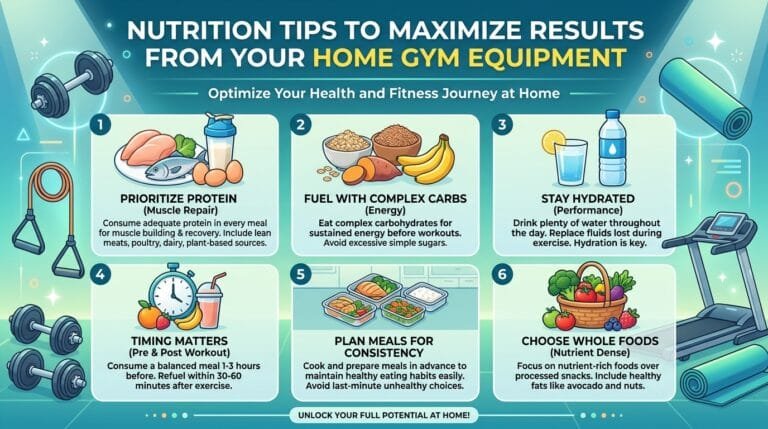
When you train at home in short windows, total daily protein intake matters more than precise peri-workout timing. Aim for 1.6–2.2 g of protein per kilogram of body weight spread across 3–5 meals or snacks. Consume a practical protein-containing meal or shake within a few hours before or after your session when convenient, but do not stress over a narrow “anabolic window.” Focus on consistency of total intake, easy-to-digest options around short sessions, and simple habits that fit compressed schedules.
Why Protein Timing Feels More Complicated at Home
Home training often occurs in short, irregular windows—early mornings before work, lunch breaks, or late evenings after family responsibilities. These compressed schedules make elaborate pre- and post-workout meals impractical. Many people overestimate the importance of exact timing and underestimate the importance of total daily protein. Research consistently shows that overall daily protein intake and distribution across the day drive muscle repair and growth far more than hitting a precise 30-minute post-workout window. For short home sessions, the goal is practical fueling that supports recovery without adding friction to an already tight routine.
Core Principles of Protein Timing for Short Home Sessions
- Total daily intake is the foundation – Hitting your daily target matters more than perfect timing.
- Distribution across the day supports muscle protein synthesis – Spreading protein over 3–5 feedings is more effective than one or two large doses.
- The peri-workout window is flexible – A few hours before or after training is sufficient for most people.
- Digestibility matters in short windows – Choose options that sit well when time is limited.
- Convenience determines adherence – The best protein strategy is the one you can repeat on busy days.
- Session length and intensity influence needs modestly – Short sessions still benefit from adequate daily protein, especially if progressive.
Total Daily Protein vs Peri-Workout Timing
| Factor | Importance for Home Lifters | Practical Target | Notes |
|---|---|---|---|
| Total daily protein | Highest | 1.6–2.2 g/kg body weight | Primary driver of results |
| Protein distribution | High | 20–40 g per meal, 3–5 times/day | Supports repeated muscle protein synthesis |
| Pre-workout protein | Moderate | 20–30 g if convenient | Useful if last meal was hours earlier |
| Post-workout protein | Moderate | 20–40 g within a few hours | Not required in a narrow window |
| Exact 30-minute window | Low | Not necessary | Total intake overrides precise timing |
| Protein quality | Moderate–High | Complete sources preferred | Animal or well-combined plant proteins |
Shoulder-friendly upper-body work and grip training still require adequate protein for recovery and adaptation (Bent Arms vs. Straight Arms in Lateral Raises, The Hidden Mistake in Lateral Raises, 3 Lateral Raise Modifications, and Do Hand Grippers Really Work?).
Step-by-Step Protein Strategy for Short Home Training Windows
- Calculate your daily protein target
Multiply body weight in kilograms by 1.6–2.2. Use the higher end if you are in a calorie deficit or prioritising muscle gain. - Divide the target across the day
Aim for 3–5 protein-containing meals or snacks. Most people do well with 25–40 g per feeding. - Identify your typical training window
Early morning, midday, or evening. This determines whether pre- or post-session protein is more practical. - Choose convenient protein sources
Options that require little or no preparation: Greek yogurt, cottage cheese, ready-to-drink shakes, deli meat, hard-boiled eggs, canned tuna, protein powder mixed with water or milk, or leftover cooked chicken/fish. - Place one protein feeding near the session when possible
If you train early, a small protein-rich breakfast or shake afterward works. If you train in the evening, a protein-focused dinner or post-session snack is effective. - Prioritise total intake on disrupted days
When the schedule collapses, focus on hitting the daily number even if timing is imperfect. - Adjust for session intensity and duration
Very short technique-focused sessions need less immediate peri-workout emphasis than hard full-body work. - Track for 1–2 weeks
Log protein intake simply to confirm you are consistently near your target. - Refine based on energy, recovery, and digestion
Note what sits well before short sessions and what supports recovery afterward. - Build repeatable habits
Keep ready-to-eat protein options visible and stocked so the strategy survives busy weeks.
Practical Protein Options for Short Windows
Pre-Session (if eating 30–90 minutes before)
- Greek yogurt or skyr
- Protein shake with water or milk
- Cottage cheese
- Small serving of leftover meat or eggs
- Ready-to-drink protein beverage
Post-Session (within a few hours)
- Same options as above
- Simple meal that already contains protein (eggs, chicken, fish, dairy, legumes + grains)
- Protein powder mixed into a smoothie or oatmeal
During Very Tight Windows
- Ready-to-drink shake consumed during cool-down or immediately after
- High-protein snack already prepared in the refrigerator
Sample Daily Protein Distributions
Early-Morning Trainer (Session 6:00–6:30 a.m.)
- Upon waking or post-session: protein shake or Greek yogurt (25–35 g)
- Mid-morning: protein-containing snack
- Lunch: 30–40 g
- Dinner: 30–40 g
- Optional evening snack if needed to hit total
Midday Trainer (Session 12:00–12:40 p.m.)
- Breakfast: 25–35 g
- Pre- or post-session: shake or yogurt
- Afternoon snack or early dinner: remaining protein
Evening Trainer (Session 7:00–7:40 p.m.)
- Breakfast + lunch + afternoon snack: majority of daily protein
- Post-session dinner or snack: 30–40 g
Special Considerations for Short Home Sessions
Early-Morning Fasted Training
Many people train first thing with little or no food. This is acceptable if total daily protein is still met. A protein feeding soon after the session supports recovery.
Digestive Comfort
Large, high-fat, or high-fiber meals immediately before short sessions can cause discomfort. Opt for lower-fat, easily digested protein sources when time is limited.
Calorie Deficit Phases
Protein needs sit at the higher end of the range (closer to 2.0–2.2 g/kg) to help preserve muscle while energy intake is reduced.
Plant-Based Lifters
Combine sources across the day and consider slightly higher total intake to account for differences in digestibility and amino-acid profiles.
Common Protein Timing Mistakes
| Mistake | Result | Better Approach |
|---|---|---|
| Obsessing over a 30-minute post-workout window | Unnecessary stress and complicated routines | Focus on total daily intake and flexible timing |
| Skipping protein on busy days | Chronic under-intake | Keep ready-to-eat options always available |
| Relying on one large protein meal | Sub-optimal muscle protein synthesis | Spread intake across 3–5 feedings |
| Choosing hard-to-digest meals pre-session | Discomfort during short workouts | Use lighter, faster-digesting options |
| Ignoring total intake while perfecting timing | Poor long-term results | Hit the daily target first |
| Assuming short sessions need no protein attention | Under-recovery over time | Maintain consistent daily protein regardless of session length |
Strength training drives the need for adequate protein to support muscle repair and growth (strength training guidance). Practical home-gym approaches emphasise simple, sustainable nutrition habits that fit real schedules (home gym equipment prioritisation and budget home gym principles).
Frequently Asked Questions
How soon after a short home session should I eat protein?
Within a few hours is sufficient for most people. Immediate intake is convenient but not mandatory if your next meal already contains adequate protein.
Do I need a protein shake if I train at home?
No. Whole-food sources work equally well. Shakes are simply a convenient tool when time or appetite is limited.
What if I train late at night?
A protein-containing meal or snack after the session is still useful. Total daily intake remains the priority; late protein does not inherently harm results.
Is protein timing more important for older adults?
Older adults often benefit from higher per-meal protein doses (30–40 g+) and consistent daily intake because of anabolic resistance. Timing flexibility still applies.
Can I get enough protein from food alone during short windows?
Yes. Planning and keeping convenient options available make it realistic even with compressed schedules.
Does the type of training change protein needs?
Hard strength sessions create a higher recovery demand than light technique work, but the daily protein target stays similar. Short sessions still contribute to the overall stimulus that protein supports.
What happens if I miss my post-workout protein occasionally?
Very little, provided total daily intake remains consistent across the week.
How do I know if my protein intake is actually supporting progress?
Track total daily intake for 1–2 weeks, ensure it lands near your target, and monitor strength progression, recovery, and how clothes fit over time.
Final Recommendation
When you train at home in short windows, prioritise total daily protein intake of 1.6–2.2 g per kilogram of body weight distributed across 3–5 meals or snacks. Flexible peri-workout timing is sufficient—consume a practical protein source within a few hours of your session when convenient, but do not let perfect timing become a barrier. Keep easy-to-digest, ready-to-eat protein options available so the strategy survives busy days.
Calculate your daily target today, identify two or three convenient protein sources you can keep on hand, and structure your next few days around hitting the total rather than a narrow window. Consistent daily protein intake, not precise minute-by-minute timing, is what supports recovery and progress from short home training sessions. Start with the next meal—build the simple habit that compounds over weeks and months.