Meditation Cushion? What’s the Point of It? (The Truth Most Beginners Miss)
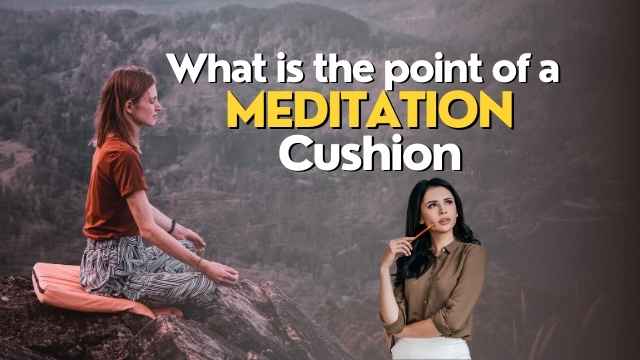
Quick answer: A meditation cushion (traditionally called a zafu) elevates your hips above your knees when sitting cross-legged, which allows your pelvis to tilt slightly forward and restores your spine’s natural curve — making it considerably easier to sit upright with minimal muscular effort for extended periods. This isn’t just tradition or aesthetic preference; it addresses a genuine biomechanical problem with sitting flat on the floor.
Researched and written by the GymGoodies team, fact-checked against manufacturer specs and current fitness guidance.
If you’ve ever tried meditating cross-legged directly on a hard floor, you’ve probably noticed your back rounding, your hips feeling cramped, or a general restlessness that has nothing to do with your mind wandering. A meditation cushion exists specifically to solve this problem — and the reasoning behind it is grounded in real, straightforward biomechanics.
The Core Problem: Sitting Flat on the Floor Works Against Your Spine
When you sit cross-legged directly on a flat floor, your hips end up level with or below your knees. This position tends to cause your pelvis to tilt backward (posterior pelvic tilt), which flattens or reverses your lower back’s natural inward curve. According to research on spine biomechanics, prolonged sitting with this kind of posterior pelvic tilt increases compressive forces on the discs in your lower spine, and can aggravate existing back conditions — meaning this isn’t just a comfort issue, it’s a genuine postural stress pattern worth avoiding, especially during a practice meant to last many minutes at a time.
How Cushion Elevation Actually Fixes This
The solution is mechanically simple: elevating your hips several inches above your knees allows your pelvis to tilt forward instead, which restores your lumbar spine’s natural curve, lets your thoracic spine stack naturally above it, positions your shoulders over your hips, and centers your head over your spine. This aligned position distributes your body weight efficiently and requires meaningfully less ongoing muscular effort to maintain than a slumped or overly rigid posture — which is exactly why it can be sustained comfortably for much longer sitting periods, a genuinely practical concern for anyone trying to meditate for more than a few minutes.
Why This Matters Specifically for Meditation
Physical discomfort is one of the most common reasons beginners struggle with a seated meditation practice — not because the mental aspect is inherently difficult, but because an achy back, stiff knees, or pins-and-needles in the feet make it genuinely hard to focus on anything else. A properly elevated, well-aligned seated posture removes much of this physical distraction, letting you actually settle into the practice rather than fidgeting or cutting sessions short due to discomfort.
What a Zafu Actually Is
A zafu is a round, typically firm cushion, traditionally filled with buckwheat hulls or kapok fiber, designed specifically for this hip-elevating purpose. The round shape leaves room for your legs to tuck in comfortably along the front edge — a practical detail that a rectangular pillow doesn’t accommodate as well, since your feet tend to catch on square corners. Zafus are often paired with a flat mat called a zabuton, which cushions your knees and ankles against a hard floor.
Why the Filling Material Matters
Buckwheat hull filling has a particular practical advantage: it conforms and adjusts to your specific body and posture, effectively creating a personalized seat rather than a fixed, uniform shape. Kapok fiber offers a softer, more plush alternative for those who prefer more give. Neither is objectively “correct” — the right choice depends on your body type and personal comfort preference.
Getting the Height Right
A cushion that’s too low won’t provide enough hip elevation to meaningfully change your pelvic position, while one that’s too high can create its own discomfort or instability. General guidance: your knees should rest at or slightly below hip level when properly seated, and your spine should feel naturally upright without needing to lean forward or backward to maintain the position. If your lower back rounds or feels strained even while using a cushion, more height is likely needed.
Beyond Posture: Genuine Evidence for Meditation and Back Pain Specifically
This is a particularly relevant connection worth making: according to NCCIH (the National Center for Complementary and Integrative Health, part of the NIH), a study published in JAMA found that mindfulness-based stress reduction produced greater improvement in function and back pain compared to usual care, with benefits still present at the one-year follow-up. Separate NCCIH guidance on chronic low-back pain and complementary approaches confirms mindfulness-based stress reduction is associated with a small but genuine improvement in chronic low-back pain specifically.
This creates a genuinely interesting connection: a meditation cushion supports the physical comfort needed to actually sustain a meditation practice, while the practice itself has real, NIH-recognized evidence for helping manage the very kind of chronic back discomfort that poor sitting posture can contribute to in the first place.
Do You Actually Need a Cushion, or Is It Optional?
For shorter sessions, or if you have naturally flexible hips and a comfortable cross-legged sitting tolerance, you may be able to meditate without one. But for most people, especially beginners or those planning longer or more regular sessions, a cushion meaningfully reduces the physical barriers that commonly derail a consistent practice. Given the genuine biomechanical rationale involved — restoring natural spinal alignment rather than fighting against a flattened, strained posture — this isn’t simply a “nice to have” wellness accessory; it addresses a real physical problem with unsupported floor sitting.
Alternatives If a Traditional Zafu Doesn’t Suit You
- Meditation benches — an alternative for those who prefer a kneeling position, offering height and angle adjustment tailored to individual needs, particularly useful for people managing existing back pain who need more customizable support
- A folded blanket or firm pillow — a reasonable, accessible starting point if you’re not ready to invest in a dedicated cushion, though it won’t provide the same consistent, purpose-built support
- A chair, if floor-sitting genuinely doesn’t work for your body — meditation doesn’t require a specific traditional posture to be effective; a well-supported, upright seated position in a chair maintains the same core alignment principles
How This Connects to Broader Posture Considerations
The biomechanical principle at play here — that proper alignment reduces strain while poor positioning increases it, even during otherwise “restful” activities — echoes something we’ve covered elsewhere on the site. Our guide on whether foam rolling fixes posture discusses how sustained postural patterns, not just active movement, meaningfully affect musculoskeletal comfort and health over time; a meditation cushion is essentially applying this same principle to a specific, common seated position. And if you’re building a broader mind-body practice, our guide on yoga poses for graceful aging covers complementary movement-based approaches that pair well with a seated meditation practice.
Common Mistakes When Using a Meditation Cushion
- Choosing a cushion that’s too flat or too low, failing to provide enough hip elevation to meaningfully shift pelvic position.
- Sitting on the very edge or center incorrectly, rather than positioning your sitting bones appropriately on the cushion for stable support.
- Ignoring persistent discomfort as “something to push through” — if your lower back is still rounding or straining even with a cushion, it’s worth adjusting height or trying a different cushion type rather than assuming discomfort is simply part of the process.
- Assuming a cushion is unnecessary for shorter sessions — even brief periods of poorly aligned sitting posture can be uncomfortable enough to disrupt focus, particularly for beginners still building tolerance for seated stillness.
Frequently Asked Questions
Do I need a specific meditation cushion, or will any pillow work?
A dedicated zafu is designed specifically for this hip-elevating purpose and shape, but a firm, appropriately elevated substitute (a folded blanket or firm cushion) can work reasonably well, particularly when starting out.
Is sitting cross-legged with a cushion better than sitting in a chair for meditation?
Neither is objectively superior — both can achieve the same core alignment principles (upright spine, minimal muscular strain) if properly set up; the right choice depends on your body, comfort, and personal preference.
Can a meditation cushion actually help with back pain, or is that just marketing?
The cushion itself addresses postural mechanics during sitting, which has real biomechanical rationale behind it; separately, the meditation practice it supports has NIH-recognized evidence for helping manage chronic low-back pain specifically, making the connection between the two genuinely meaningful rather than simple marketing.
Bottom Line
A meditation cushion serves a genuine biomechanical purpose: elevating your hips above your knees restores your spine’s natural alignment, reducing the muscular strain and discomfort that comes from sitting flat on the floor. This isn’t just about comfort for its own sake — it directly supports the ability to sustain a consistent seated practice, which itself has real, NIH-recognized evidence for benefits like helping manage chronic low-back pain.
Do you use a meditation cushion as part of your practice? Let us know in the comments whether it’s changed how long you’re able to comfortably sit.