Can a Foam Roller Fix Posture? The Truth Behind This Popular Hack
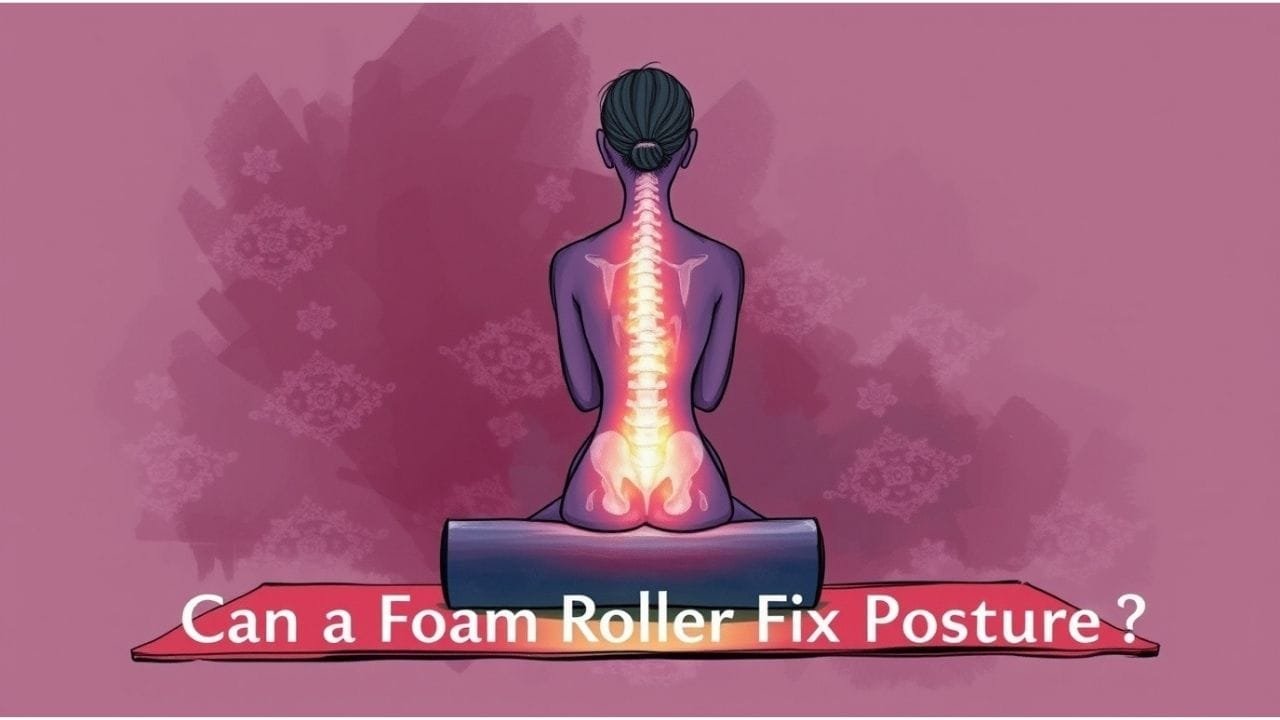
Quick answer: No, not on its own. Foam rolling has real, research-supported benefits — improved range of motion, flexibility, and post-exercise recovery — but posture correction fundamentally requires strengthening weak muscles (like the upper back and core), not just releasing tight ones. Foam rolling can be a legitimate, useful complementary tool as part of a broader approach, but treating it as a standalone posture fix isn’t supported by how posture actually works.
Researched and written by the GymGoodies team, fact-checked against manufacturer specs and current fitness guidance.
Foam rollers get marketed heavily around posture improvement — “release tight muscles, fix your slouch” is a common pitch. The research on foam rolling itself is genuinely solid in certain areas, but the specific claim that it can “fix” posture deserves a more careful look.
What Foam Rolling Is Actually Well-Supported For
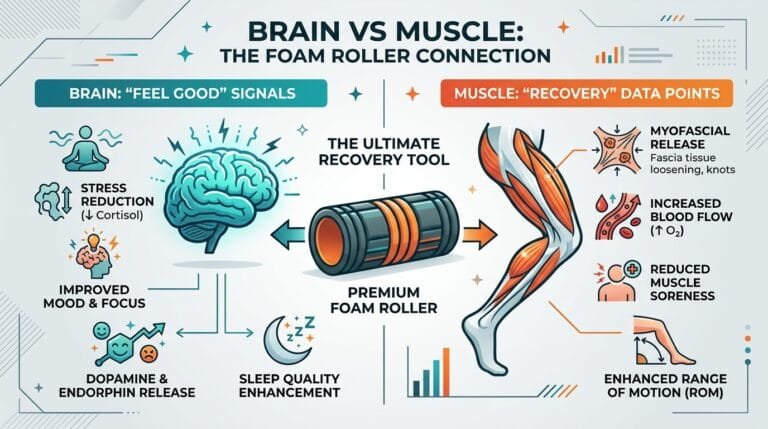
According to a systematic review analyzing 14 studies on foam rolling, foam rolling has consistent evidence supporting improvements in range of motion and reduced muscle tension, and appears to support recovery after intense exercise, with reduced perceived pain and effort. A separate study on foam rolling and recovery found that rolling sessions lasting at least 120 seconds produced a significantly better pace of post-exercise recovery.
These are genuine, real benefits — flexibility, range of motion, and recovery support are legitimately backed by research. Performance benefits (strength, power, agility) are more mixed across studies, with some showing modest improvement and others finding no significant effect, according to a Scientific Reports study reviewing this literature.
Why This Doesn’t Automatically Mean “Fixes Posture”
Here’s the key distinction that gets lost in a lot of foam roller marketing: posture isn’t primarily a fascia-tightness problem — it’s a muscle balance problem, involving both tight, overactive muscles and weak, underactive ones working together. Foam rolling addresses only one side of that equation.
According to Hospital for Special Surgery, physical therapist Karena DiVincent explains that stretching and strengthening serve vastly different purposes but are equally important — stretching addresses tissues that have become short or tight from prolonged positioning, while strengthening involves regularly contracting muscles to make them stronger. Crucially, tight muscles can create imbalances where some muscles become short and strong while others become long and weak — and this imbalance, not just tightness alone, is what actually drives poor postural patterns.
What Actually Corrects Posture, According to Physical Therapy Guidance
Multiple physical therapy sources are consistent on this point: posture correction requires a combination of approaches, not one isolated technique. According to guidance from physical therapy practices specializing in posture correction, effective treatment typically includes:
- Strengthening weak muscles — particularly the core, upper back, and glutes, through exercises like rows, reverse flies, planks, and bridges
- Stretching tight muscles — commonly the chest, hip flexors, and hamstrings, which pull the body into compensatory positions
- Manual therapy techniques (which can include foam rolling) — to reduce tension and improve mobility, generally framed as a supporting technique rather than the primary corrective intervention
- Postural awareness and habit changes — workplace ergonomics, movement breaks, and conscious positioning throughout the day
Foam rolling fits into this picture specifically as a manual therapy/mobility tool — genuinely useful for the “tight muscle” side of the equation, but not a substitute for the strengthening work that addresses the weak, underactive muscles contributing to postural imbalance in the first place.
Why Strengthening Matters More Than Foam Rolling for Actual Postural Change
This is well-illustrated by research on posture-specific interventions. A randomized controlled trial examining adults with hyperkyphosis (excessive upper back rounding) found that a structured, physical therapist-led program — three hour-long sessions weekly for six months, focused specifically on strengthening and improving flexibility of muscles associated with the condition — produced meaningful improvements compared to a control group that only received educational sessions without hands-on exercise intervention. This reflects the broader pattern: sustained postural change comes from structured strengthening and mobility work over time, not a single passive technique.
A Genuinely Useful Way to Think About Foam Rolling and Posture
Foam rolling can play a legitimate supporting role in a posture-focused routine:
- Use foam rolling to address tight, restricted areas — commonly the chest (pecs), upper back, and hip flexors, which often contribute to rounded-shoulder, forward-head postural patterns
- Pair it with actual strengthening exercises for the muscles that have become weak and underactive — rows, face pulls, and rear delt work for upper back and shoulder posture specifically
- Address habits and ergonomics, since sustained posture depends heavily on positioning throughout your day, not just what happens during a dedicated exercise session
- Be consistent over time — the research on structured postural intervention programs shows results building over months, not days, reinforcing that this is a gradual process requiring sustained effort across multiple approaches
Why This Connects to a Common Postural Pattern We’ve Covered Before
A specific, common postural issue — rounded shoulders and a forward-leaning posture — often develops from imbalanced training, specifically overemphasizing pushing muscles (chest, front shoulders) relative to pulling muscles (upper back, rear delts). Our Push vs. Pull Exercises guide covers this imbalance directly — foam rolling a tight chest might provide some temporary relief, but without also strengthening the upper back muscles that should be pulling your shoulders back, the underlying imbalance driving the postural pattern remains unaddressed.
Foam Rolling Technique, If You’re Using It as Part of a Broader Approach
- Roll slowly, spending extra time on areas that feel particularly tight or tender, rather than rushing through
- Aim for at least 120 seconds per area based on the recovery research reviewed above, rather than a very brief pass
- Focus on commonly tight postural areas: the chest/pecs, the muscles along your upper back, and hip flexors, which frequently contribute to common postural patterns
- Combine with mobility work — our guide on yoga poses for graceful aging covers additional stretching and mobility approaches that can complement foam rolling as part of a broader flexibility routine
Frequently Asked Questions
If foam rolling doesn’t fix posture, is it still worth doing?
Yes — the research genuinely supports foam rolling for improved range of motion, flexibility, and recovery, all of which can meaningfully support a broader posture-improvement effort, just not as a standalone fix on its own.
How long does it actually take to improve posture with a comprehensive approach?
Research on structured postural intervention programs suggests meaningful change over a period of months with consistent strengthening and mobility work, not something achieved in days or weeks with any single technique.
Should I foam roll before or after strengthening exercises for posture work?
Either can work depending on your goals — rolling before strengthening work can help address tightness that might limit your range of motion during exercises, while rolling afterward can support recovery; the key point is that both the rolling and the strengthening matter, not just one or the other.
Bottom Line
Foam rolling offers real, research-supported benefits for flexibility, range of motion, and recovery — but posture correction requires addressing both tight, overactive muscles and weak, underactive ones together, and foam rolling only meaningfully addresses one half of that equation. Used as a complement to actual strengthening work, appropriate stretching, and postural awareness, it’s a genuinely useful tool — just not a standalone posture “fix” the way it’s sometimes marketed.
Do you currently combine foam rolling with strengthening exercises for posture, or use it on its own? Let us know in the comments what’s actually made a difference for you.