New Year Home Gym Reset: Equipment Check and Goal-Setting Guide
Quick Answer
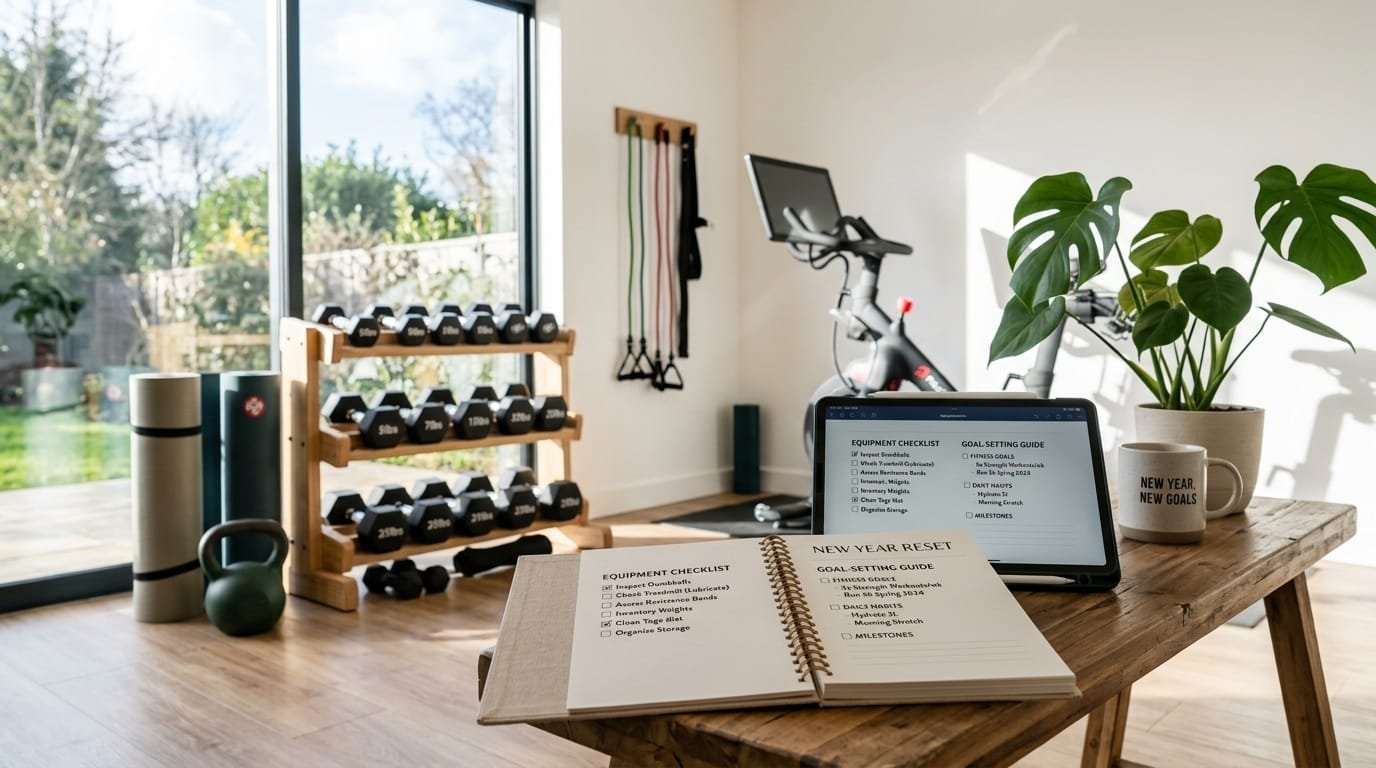
A New Year home gym reset combines a thorough equipment inspection, deep clean and organisation, safety verification, and clear goal-setting to restart training with momentum. Begin by inventorying every piece of equipment, checking for wear or damage, cleaning and lubricating as needed, reorganising the space for efficiency, and then setting specific, measurable training goals for the coming months. Pair the physical reset with a simple progressive programme focused on compound movements. This process typically takes one focused session and dramatically improves consistency, safety, and results for the year ahead.
Why a New Year Home Gym Reset Matters
The start of a new year is a natural psychological reset point. Home gyms, however, often accumulate dust, loose bolts, scattered plates, and outdated goals. A structured reset removes friction, restores safety, clarifies purpose, and turns the space back into a productive training environment rather than a storage area.
Done properly, the reset prevents small equipment issues from becoming injuries, eliminates decision fatigue, and aligns your daily actions with meaningful annual targets. Practical home-gym organisation and strength-training resources consistently emphasise that a clear, well-maintained environment plus progressive goals drive better long-term adherence (strength training guidance).
Part 1: Complete Equipment Inventory and Condition Check
Create a simple spreadsheet or notebook list of every item you own. For each piece record:
- Name and type
- Current condition (excellent / good / needs attention / replace)
- Last maintenance date
- Any missing parts or accessories
Key items to inspect carefully
| Equipment Category | What to Check | Action if Issue Found |
|---|---|---|
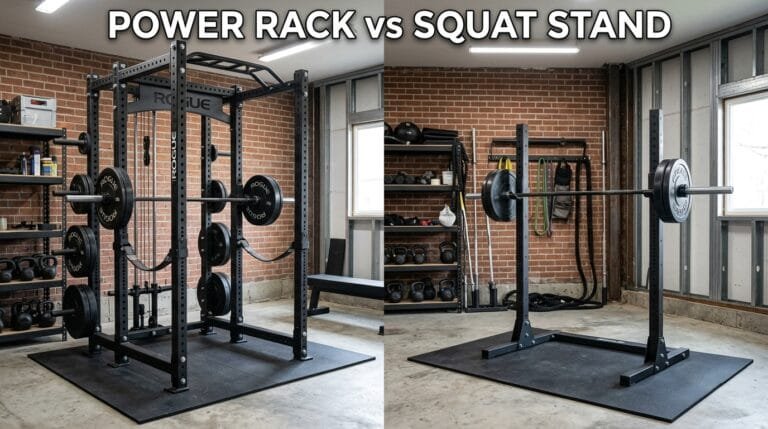
| Power rack / squat stand | Welds, bolt tightness, safety-arm function, stability | Tighten or replace damaged parts; do not use if unstable |
| Barbell | Straightness, sleeve spin, knurling condition, rust | Clean, lubricate sleeves, replace if bent |
| Weight plates | Cracks, chipping, secure inserts | Retire damaged plates |
| Adjustable bench | Pad condition, frame stability, adjustment pins | Replace worn pads or unstable benches |
| Dumbbells / kettlebells | Handle integrity, weight accuracy, chalk buildup | Clean thoroughly; replace if handles are compromised |
| Resistance bands | Tears, thinning, elasticity loss | Discard damaged bands immediately |
| Flooring | Gaps, compression, cleanliness | Re-level or replace sections |
| Cables / attachments (if any) | Fraying, pulley smoothness | Replace worn cables |
Perform this inspection systematically. Safety-critical items (rack, bar, bench, safety arms) take absolute priority. Experienced home-gym builders repeatedly stress checking structural integrity before loading equipment (home gym equipment prioritisation and safety).
Part 2: Deep Clean and Maintenance
- Remove all plates, dumbbells, and accessories from the main training area.
- Sweep and vacuum thoroughly, including corners and under racks.
- Wipe down the rack, bench, and bar with appropriate cleaners.
- Lubricate barbell sleeves according to manufacturer recommendations.
- Clean kettlebell and dumbbell handles; remove chalk and sweat residue.
- Inspect and wipe resistance bands; store them away from direct sunlight.
- Clean or replace flooring as needed.
- Check and tighten every visible bolt on racks and benches.
A clean, well-maintained space is used more frequently and lasts longer. Proper maintenance also protects your investment and reduces injury risk from equipment failure.
Part 3: Reorganise for Efficiency and Safety
- Return plates to a dedicated tree or storage system ordered by weight.
- Store dumbbells and kettlebells on racks rather than the floor.
- Hang bands on hooks or a dedicated holder.
- Ensure clear walkways and plate-change clearance around the rack and bench.
- Position frequently used items within easy reach.
- Improve lighting if the space feels dim.
- Consider a small whiteboard or printed programme sheet for the current training block.
An organised gym reduces friction and mental resistance to starting a session. Layout and storage recommendations from practical home-gym guides emphasise clear pathways and logical equipment placement (budget home gym organisation principles).
Part 4: Goal-Setting Framework for the New Year
Effective goals are specific, measurable, achievable, relevant, and time-bound. Avoid vague resolutions such as “get stronger” or “work out more.”
Recommended Goal Categories
- Strength targets – e.g., specific lifts and numbers (goblet squat, hinge, press, row).
- Consistency targets – e.g., number of training sessions per week or total sessions in Q1.
- Body-composition or performance targets – measurements, clothing fit, or conditioning benchmarks.
- Skill or technique targets – improved form on key movements or mastery of a new variation.
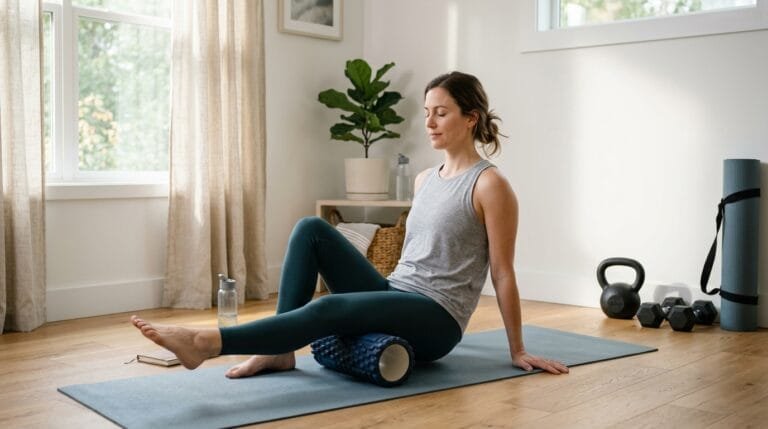
- Habit and recovery targets – sleep, protein intake, or mobility work frequency.
Write 2–4 primary goals for the first quarter and review them every 4–6 weeks.
Sample Goal-Setting Table
| Goal Type | Example Specific Goal | Measurement Method | Target Date |
|---|---|---|---|
| Strength | Add 10 kg to kettlebell goblet squat for 8 reps | Training log | 31 March |
| Consistency | Complete 36 training sessions | Calendar count | 31 March |
| Technique | Perform strict lateral raises with controlled tempo and no shrug | Video check | Ongoing |
| Recovery | Average 7.5+ hours sleep on training days | Sleep tracker or journal | Ongoing |
Part 5: Programming Reset
Many home trainees benefit from a clean programming start in January.
- Choose a simple full-body or upper/lower structure.
- Focus on the main compound patterns: squat, hinge, push, pull, carry.
- Apply progressive overload systematically.
- Include shoulder-friendly accessory work using proven technique cues (Bent Arms vs. Straight Arms in Lateral Raises, The Hidden Mistake in Lateral Raises, and 3 Lateral Raise Modifications).
- Address grip strength if it limits pulling or carrying performance (Do Hand Grippers Really Work?).
Keep the first 4-week block conservative so you build momentum rather than burnout. Structured progressive training remains one of the most reliable ways to produce strength and muscle gains (strength training evidence overview).
Step-by-Step New Year Reset Process
- Schedule a 2–3 hour block for the full reset.
- Inventory every piece of equipment and note its condition.
- Perform the safety and maintenance checks listed above.
- Deep-clean the entire space and all implements.
- Reorganise storage and layout for efficiency.
- Write 2–4 specific quarterly goals.
- Design or select a simple progressive training template for the next 4–8 weeks.
- Prepare a tracking system (notebook, app, or whiteboard).
- Schedule the first three training sessions of the new year.
- Take “before” photos or measurements if body-composition goals are included.
Common Reset Mistakes to Avoid
- Skipping the safety inspection and jumping straight into heavy training.
- Setting too many goals at once.
- Creating an overly complex programme that is hard to follow.
- Neglecting recovery and sleep targets.
- Failing to schedule the actual training sessions after the reset.
- Buying new equipment impulsively during the reset instead of using what you already own effectively.
Integrating the Reset with Ongoing Training Principles
A successful reset is only the starting point. Maintain the gains by:
- Continuing progressive overload on the main lifts.
- Protecting shoulder health with controlled accessory work.
- Building grip capacity for carries and pulling movements.
- Reviewing goals and equipment condition every quarter.
- Keeping the space clean and organised as a standing habit.
External resources on home-gym setup and strength programming reinforce that clarity of goals, equipment reliability, and consistent progressive loading are the main drivers of results (home gym transition guidance and practical home gym build principles).
Frequently Asked Questions
How long should the full reset take?
Most people complete a thorough equipment check, clean, and organisation in 2–4 hours. Goal-setting can be done in 30–60 minutes.
What if some equipment is damaged?
Retire or repair safety-critical items immediately. Do not train with compromised racks, bars, or benches.
Should I buy new equipment as part of the New Year reset?
Only if a clear, repeated limitation exists in your current setup. Use the reset to maximise what you already own first.
How many goals should I set?
Two to four primary goals for the first quarter is ideal. Too many dilute focus.
Is it worth taking measurements or photos?
Yes if body composition or visual progress is a goal. Keep the process consistent (same lighting, time of day, poses).
What is the best training split after a reset?
Full-body three days per week or an upper/lower four-day split works well for most home trainees restarting with renewed focus.
How do I maintain the organised space throughout the year?
Return every item to its designated place after each session. Schedule a lighter 20-minute tidy and bolt-check once per month.
Should the reset include a deload week?
Often yes. Many people benefit from a lighter week while they complete the physical reset and finalise goals.
Final Recommendation
A New Year home gym reset is one of the highest-leverage actions you can take for the training year ahead. Conduct a thorough equipment inventory and safety inspection, deep-clean and reorganise the space, set a small number of specific measurable goals, and install a simple progressive programme.
Protect the foundational pieces of equipment, maintain high technical standards on shoulder and grip work, and treat the reset as the launch point for consistent execution rather than a one-time event.
Block time this week to complete the physical and planning reset. Walk into the first training session of the year with a safe, organised space and clear targets. The combination of a reliable environment and focused goals produces far better adherence and results than motivation alone. Start the reset now—your training over the next twelve months will reflect the quality of this foundation.