Lateral Raise Form 101: How to Optimize Arm Position for Maximum Growth
Quick answer: A proper lateral raise involves standing tall, keeping a slight bend in your elbows, raising the weights out to your sides to roughly shoulder height while keeping your shoulder blades down and back, then lowering with control. Getting the fundamentals right — posture, controlled tempo, and appropriate weight — matters far more for results than any advanced variation.
Researched and written by the GymGoodies team, fact-checked against manufacturer specs and current fitness guidance.
Before diving into bent-arm versus straight-arm debates, resistance band angles, or joint-stress biomechanics, it’s worth stepping back to the fundamentals. The lateral raise is a deceptively simple-looking exercise that a lot of lifters get subtly wrong, and getting the basics solid is what actually determines whether any of the more advanced variations will serve you well.
What the Lateral Raise Actually Trains
The lateral raise is a shoulder isolation exercise that primarily targets the medial (side) deltoid — the muscle responsible for the width and “capped” look of your shoulders. According to the American Council on Exercise’s official exercise library entry for the lateral raise, proper execution involves bracing your core, depressing and retracting your shoulder blades, and maintaining that positioning throughout the entire movement — not just the parts that feel like “work.”
Step-by-Step: The Fundamental Movement Pattern
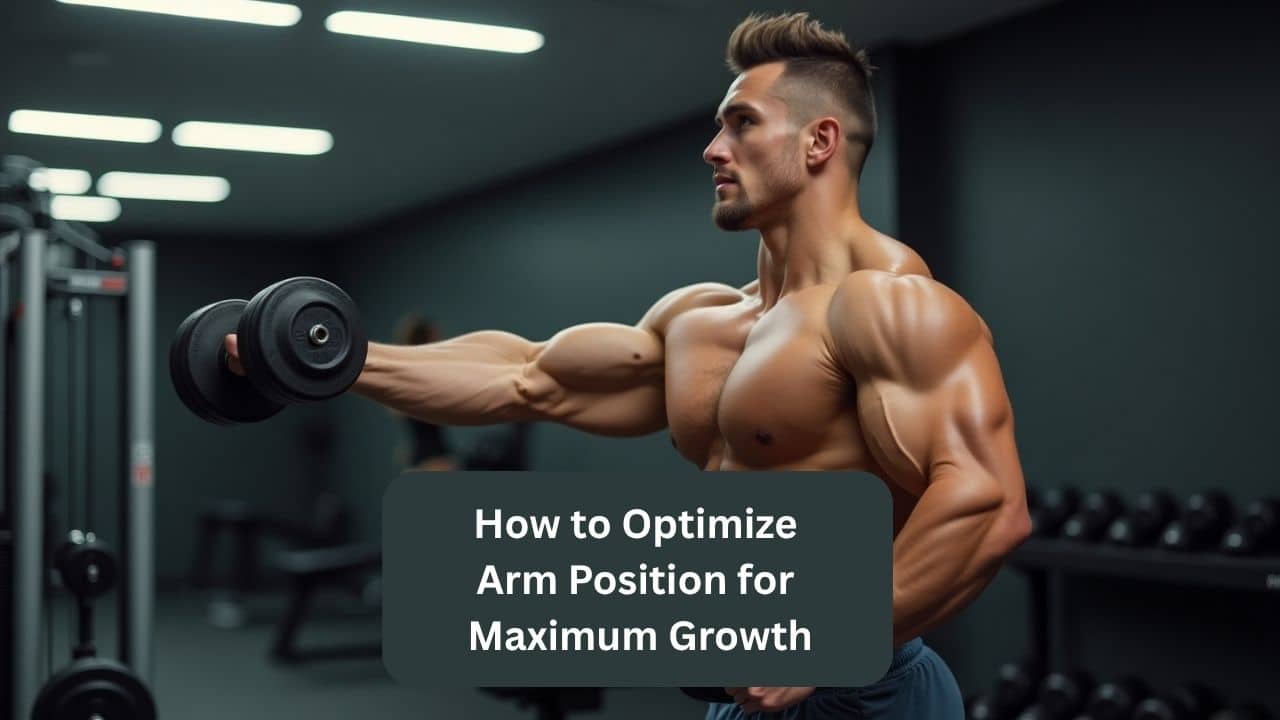
- Starting position — stand tall holding a dumbbell in each hand at your sides, feet roughly shoulder-width apart, with a slight, natural bend in your elbows.
- Brace your core and pull your shoulder blades down and back, maintaining this position for the entire set — this isn’t a one-time setup cue, it needs to hold throughout every rep.
- Exhale and raise the dumbbells out and up to your sides, keeping your elbows and upper arms leading the movement slightly ahead of your forearms and the weights themselves.
- As your arms approach shoulder height, rotate them very slightly so the front edge of the dumbbells points marginally upward, rather than keeping your hands flat.
- Stop around shoulder height, roughly parallel to the floor — going significantly higher tends to shift the work toward your trapezius rather than your deltoid.
- Inhale and lower with control, keeping your elbows slightly bent throughout and avoiding a completely straight arm at the bottom of the rep.
Why Posture and Bracing Matter More Than People Expect
A common beginner mistake is treating the lateral raise as “just lifting your arms,” without paying attention to torso position. Arching your lower back, leaning back excessively, or letting your core go slack all reduce how effectively your deltoid is isolated, often shifting effort toward your lower back or hips instead. Keeping your torso upright and braced — not rigid, but stable — is a foundational piece of getting the exercise right, regardless of which specific variation you eventually progress toward.
Choosing Your Starting Weight
The lateral raise is a movement where lighter weight, done correctly, consistently outperforms heavier weight done poorly. As a general starting point:
- Choose a weight light enough that you can complete the full range of motion without using momentum or torso swing
- You should feel genuinely challenged by the last 2-3 reps of a 10-15 rep set, not by rep 3 or 4
- If you find yourself unable to keep your shoulder blades stable and down throughout the set, the weight is too heavy — this is one of the most common beginner errors
Common Beginner Mistakes
- Using momentum to swing the weight up, rather than lifting it with controlled muscular effort — this is almost always a sign the weight is too heavy.
- Letting the shoulders shrug up toward the ears, especially as fatigue sets in during later reps — a sign the trapezius is compensating for the deltoid.
- Raising the arms too high, well above shoulder height, which increases trap involvement and can increase impingement-related risk without adding real deltoid benefit.
- Rushing the lowering phase, essentially dropping the weight back down rather than controlling it — this skips a meaningful part of the muscle-building stimulus.
- Locking the elbows completely straight, which increases joint demand without necessarily improving the training effect at a beginner stage.
A Simple Way to Self-Check Your Form
If you have access to a mirror or can record yourself from the front or side, check for:
- Shoulders staying level and down, not creeping upward during the set
- Arms rising in a smooth, controlled arc rather than a jerky or uneven path
- Torso staying relatively still, without noticeable swaying or leaning to generate momentum
Where to Go Once You’ve Mastered the Fundamentals
Once you’re comfortable with this basic movement pattern, there’s a lot of room to explore more specific variations depending on your goals:
- If you want a joint-friendly, sustainable long-term approach, our Bent-Arm Lateral Raises guide covers that variation in depth.
- If you’re deciding what equipment to train with, our Dumbbells vs. Cables guide breaks down how that choice affects the exercise.
- If you want a broader framework for matching your lateral raise style to a specific goal (strength, definition, or injury prevention), our 3 Lateral Raise Modifications guide is a good next stop.
Why Getting This Right Early Matters
A lot of the more advanced considerations we’ve covered elsewhere — arm angle, equipment resistance curves, joint torque — only matter once the fundamental movement pattern is solid. Someone with poor bracing, inconsistent tempo, or momentum-driven reps won’t benefit much from fine-tuning arm angle or switching equipment, since the underlying technique issues will undermine any of those adjustments. Nailing this fundamental pattern first is what makes every other variation actually pay off.
Frequently Asked Questions
How many sets and reps should beginners start with?
A common starting point is 2-3 sets of 10-15 reps, using a weight that genuinely challenges you by the final few reps without breaking form.
Should I do lateral raises every workout?
No — like most isolation exercises, 2-3 times per week with adequate recovery between sessions is generally sufficient, rather than training the same muscle group daily.
Is it normal to feel this exercise more in my traps than my shoulders at first?
This is common when starting out, and usually improves with practice, weight selection, and conscious attention to keeping your shoulder blades down rather than shrugged. If it persists significantly despite these adjustments, it may be worth having someone check your form directly.
Bottom Line
The lateral raise looks simple, but getting the fundamentals right — posture, bracing, controlled tempo, and appropriate weight — is what actually determines whether the exercise builds your shoulders effectively or just fatigues the wrong muscles. Master this foundation first, and the more specific variations and considerations become genuinely useful refinements rather than fixes for an underlying technique problem.
Are you just starting out with lateral raises, or coming back to review your fundamentals? Let us know in the comments what part of the form feels trickiest to get right.