How Heavy Should Your First Kettlebell Be If You’re Starting from Zero?
Quick Answer
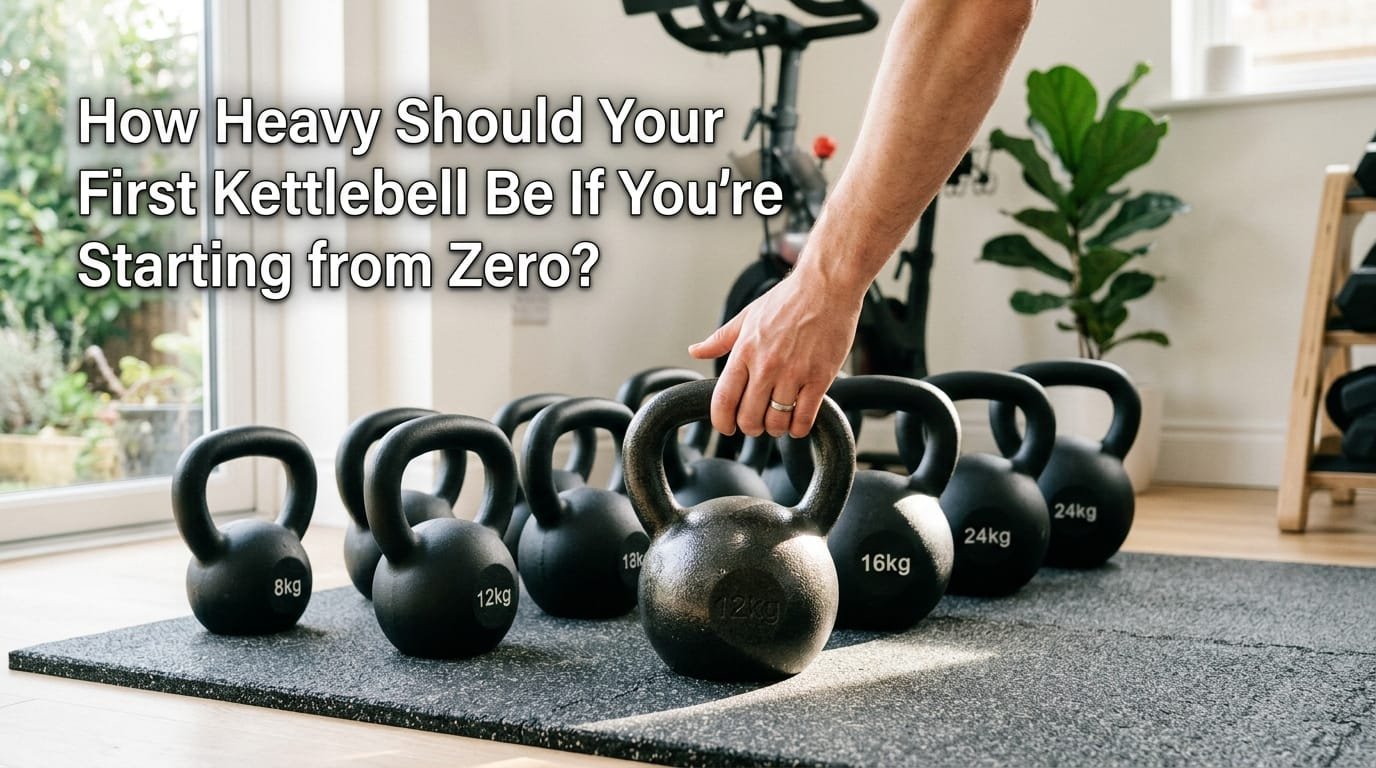
If you are starting from zero with kettlebells, most women should begin with an 8 kg (18 lb) or 12 kg (26 lb) bell, and most men with a 12 kg (26 lb) or 16 kg (35 lb) bell. Choose the weight that allows you to perform key movements—especially the swing, goblet squat, and clean—with good form for the target repetitions while still feeling challenged by the final few reps. It is better to start slightly lighter and master technique than to begin too heavy and reinforce poor patterns or risk injury. Once form is solid, progression to the next available size becomes straightforward.
Why the First Kettlebell Weight Matters So Much
Kettlebells are highly effective but unforgiving of poor technique. A bell that is too heavy forces beginners to use momentum, round the back, or lose core control. A bell that is too light fails to provide enough stimulus for strength or conditioning adaptations and can feel discouraging. The goal of the first kettlebell is to learn the fundamental patterns safely while still creating a training effect. Getting this starting weight right accelerates skill development and reduces early frustration or injury risk.
Recommended Starting Weights by Profile
| Profile | Suggested Starting Weight | Secondary Option | Primary Reason |
|---|---|---|---|
| Women with little or no strength-training background | 8 kg (18 lb) | 12 kg (26 lb) | Allows clean technique on swings and goblet squats |
| Women with some fitness background or higher bodyweight | 12 kg (26 lb) | 16 kg (35 lb) | Provides adequate stimulus without form breakdown |
| Men with little or no strength-training background | 12 kg (26 lb) | 16 kg (35 lb) | Balances learning curve and training effect |
| Men with previous lifting experience | 16 kg (35 lb) | 20 kg (44 lb) | Matches existing strength levels more closely |
| Absolute beginners concerned about joints or back | One size lighter than the above | Focus on form first | Prioritises safety and confidence |
These ranges are starting points, not rigid rules. Individual factors can shift the recommendation.
Key Factors That Influence the Right Starting Weight
1. Current Strength and Training History
Someone who has never lifted will need a lighter bell than someone who has performed dumbbell or barbell work.
2. Bodyweight and Height
Larger or taller individuals often handle slightly heavier starting loads, provided technique remains sound.
3. Primary Goals
Skill learning and general fitness favour a more conservative weight. Conditioning-focused goals may tolerate a slightly heavier bell once the hip hinge is reliable.
4. The Specific Movements You Will Perform
The two-hand swing and goblet squat are the most important benchmarks for beginners. The clean and press usually require a lighter weight in the early stages.
5. Grip and Handle Size
Kettlebell handles vary. A handle that feels too thick can make a moderately heavy bell feel unmanageable for beginners.
Movement-Specific Weight Guidelines for Beginners
Two-Hand Swing
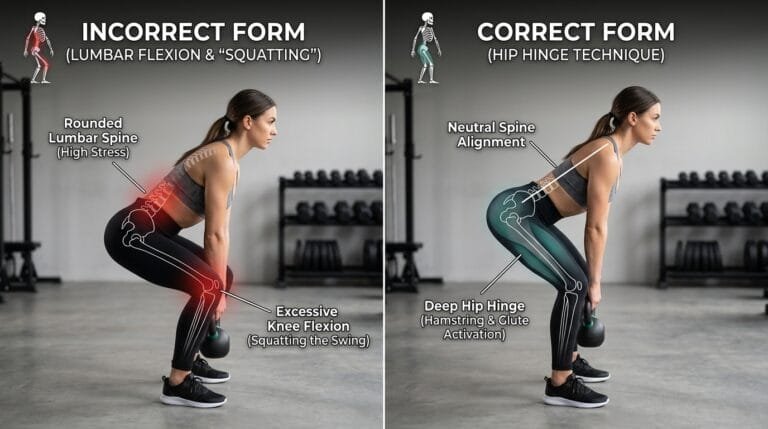
You should be able to perform sets of 10–15 clean swings with a neutral spine, explosive hip drive, and controlled float of the bell. If you cannot maintain posture for 10 repetitions, the weight is too heavy.
Goblet Squat
You should complete sets of 8–12 squats with an upright torso and full depth (or the deepest range you can currently control). The bell should feel challenging but not force the heels to rise or the back to round.
Clean
Most beginners need a lighter bell for cleans than for swings. The goal is a smooth rack position without banging the forearm.
Press
Strict pressing power is usually lower than swing or squat capacity. Many beginners use a lighter bell for pressing or build up to it after establishing the swing and squat.
Step-by-Step Process to Choose Your First Kettlebell
- Assess your current activity level and any previous resistance training.
- Decide whether you will train primarily swings and squats or also cleans and presses in the first month.
- Select the weight that matches your profile from the table above.
- If possible, test the movements with that weight (in a store or with a borrowed bell).
- Confirm you can complete the benchmark repetitions with good form.
- Choose a high-quality bell with a smooth handle and stable base.
- Commit to mastering technique before increasing weight.
- After 2–4 weeks of consistent practice, evaluate whether the next size up is appropriate.
- Add a second kettlebell only when the first is no longer challenging on core movements.
- Track sessions so progression remains intentional.
What Good Technique Looks Like at the Starting Weight
- Neutral spine throughout the swing and hinge
- Hips driving the movement, not the arms
- Soft knees and loaded posterior chain
- Controlled breathing and braced core
- Quiet rack position on cleans
- Full foot contact on squats
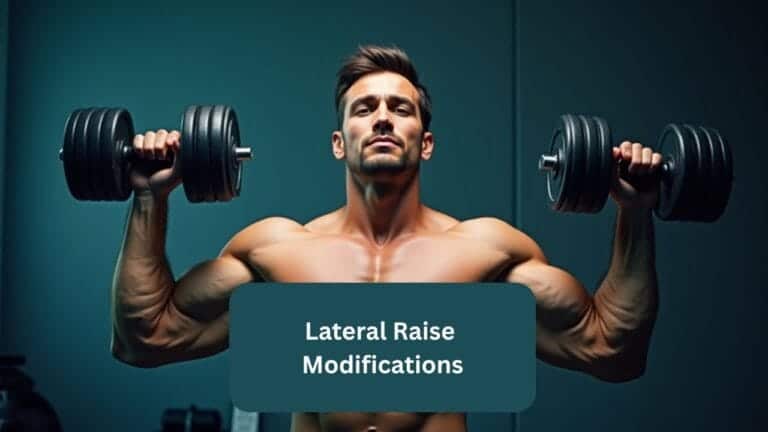
If these elements break down before the target repetitions are reached, the weight is too heavy for current skill level. Detailed attention to form on related upper-body movements also supports overall training quality (Bent Arms vs. Straight Arms in Lateral Raises, The Hidden Mistake in Lateral Raises, and 3 Lateral Raise Modifications). Grip strength influences control of the bell, especially on higher-repetition swings and carries (Do Hand Grippers Really Work?).
Progression After the First Kettlebell
Once you can perform the main movements with solid form for the desired repetitions and sets, progression options include:
- Increasing repetitions
- Adding sets
- Reducing rest periods
- Moving to single-arm variations
- Advancing to the next kettlebell size (usually 4 kg jumps for beginners)
Most people benefit from owning two kettlebells within the first 6–12 months: the starting weight and the next size up.
Common Beginner Mistakes with Starting Weight
| Mistake | Consequence | Better Approach |
|---|---|---|
| Starting too heavy | Poor form, possible strain, early frustration | Choose the lighter recommended option |
| Starting far too light | Minimal training effect, boredom | Select a weight that challenges the last few reps |
| Jumping size too soon | Technique regression | Master form for 2–4 weeks first |
| Using the same weight for every movement | Compromise on cleans or presses | Accept that pressing may need a lighter bell initially |
| Ignoring handle feel | Grip fatigue or discomfort | Test handle diameter if possible |
| Buying multiple heavy bells at once | Wasted money and incomplete skill development | Master one weight before expanding |
Equipment Quality Considerations
A good beginner kettlebell should have:
- A smooth, evenly finished handle
- A flat base so it stands securely
- Accurate weight
- Durable coating or cast finish
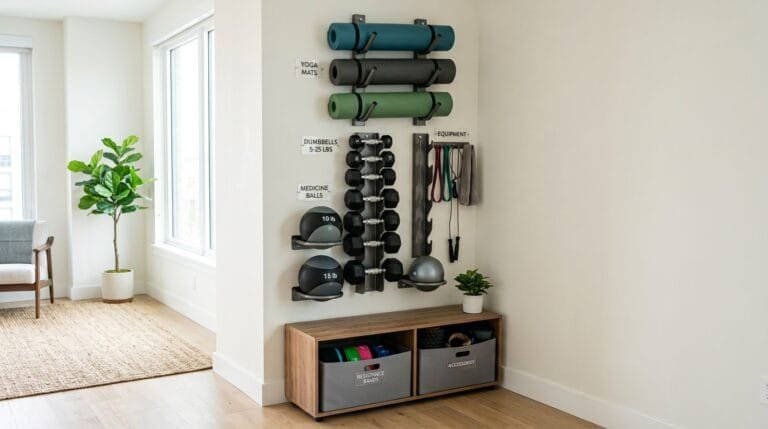
Cast-iron and competition-style (steel) bells both work. Competition bells have uniform dimensions across weights, which some lifters prefer for skill transfer. Practical home-gym guidance supports starting with one quality bell that matches current capacity rather than collecting multiple sizes immediately (home gym equipment prioritisation and budget home gym principles).
Programming the First 4–6 Weeks
Focus on learning sessions rather than maximal effort:
- 2–4 sessions per week
- Emphasis on swings, goblet squats, and basic conditioning
- Plenty of rest between sets
- Video self-checks or mirror feedback for posture
- Gradual increase in volume before increasing load
Strength training with appropriate resistance remains one of the most effective ways to build functional capacity even from a zero starting point (strength training guidance).
Frequently Asked Questions
Is an 8 kg kettlebell too light for most women?
No. For true beginners it is often ideal. It allows clean technique development and can still provide a conditioning effect when used for higher-repetition swings.
Can I start with a 16 kg as a complete beginner male?
Some can, but many will develop better long-term skill by starting at 12 kg and moving up once the hip hinge and swing are reliable.
What if I only have access to one kettlebell that feels a bit heavy?
Reduce volume, focus on perfect form, and use slower tempos or fewer repetitions until strength and skill improve.
Should I buy a set of kettlebells right away?
No. Start with one appropriate weight. Add the next size when you can no longer challenge yourself productively with the first.
How do I know when to move up in weight?
When you can complete all target sets and repetitions with solid form and feel you have 2–3 repetitions left in reserve on the final set.
Is it better to buy cast iron or competition kettlebells as a beginner?
Both work. Cast iron is often less expensive and perfectly effective for learning. Competition bells offer consistent dimensions if you plan to advance seriously.
Can I use the same kettlebell for swings and presses?
Often the pressing strength lags behind swinging ability. Many beginners use the same bell for swings and squats and a lighter load (or fewer reps) for presses until strength equalises.
What if I have previous back or shoulder issues?
Start at the lighter end of the recommendations, master the hinge pattern with bodyweight first, and consider professional guidance before loading.
Final Recommendation
If you are starting from zero, choose a first kettlebell that lets you perform swings and goblet squats with good form for manageable sets while still feeling challenged. For most women this is 8 kg or 12 kg; for most men it is 12 kg or 16 kg. Prioritise technique over load, practice consistently for several weeks, and only then consider the next size.
A single well-chosen kettlebell is enough to learn the core movements, build foundational strength and conditioning, and create momentum. Pair it with attention to form on related exercises, progressive training, and patience. Once the movement patterns are solid, increasing weight becomes a straightforward and motivating next step.
Select the appropriate starting weight, focus on clean repetitions, and begin. The right first kettlebell turns a potentially confusing purchase into the foundation of productive long-term training.