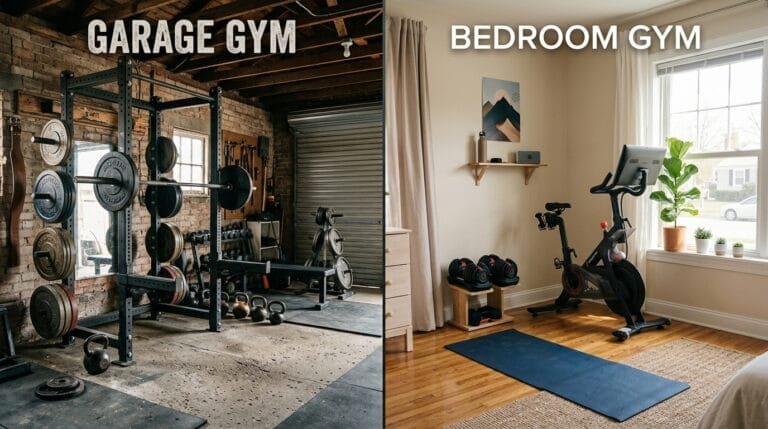

Deload Strategies for Home Lifters Who Feel Beaten Up
Quick Answer
A deload is a planned period of reduced training stress that allows recovery while preserving strength and technique. For home lifters who feel beaten up—persistent fatigue, joint aches, stalled performance, or lingering soreness—the most effective approach is to reduce volume by 40–60% for 5–7 days while keeping intensity moderate to high on a few key sets, or to switch to lighter technique-focused work. Choose the style that matches your fatigue (volume reduction, intensity reduction, or exercise substitution), protect sleep and protein intake, and return to normal training once energy and joint comfort improve. Proper deloads prevent longer forced breaks and support long-term progress.
Why Home Lifters Especially Need Deloads
Home training removes many external limits on frequency and volume. It is easy to train hard more often, add extra sets, or push through fatigue because the gym is always available. Over time this leads to accumulated systemic and local fatigue: joints feel stressed, motivation drops, performance plateaus or declines, and sleep or mood may suffer. A deload is the proactive solution that clears residual fatigue so progress can resume.
Signs You Need a Deload
| Sign | Description | Urgency |
|---|---|---|
| Persistent joint discomfort | Aches in shoulders, elbows, wrists, knees or back that do not warm up | High |
| Performance stall or drop | Same weights feel heavier or reps decrease for 7+ days | High |
| Lingering muscle soreness | Soreness that lasts into the next sessions | Moderate |
| Low motivation or dread of training | Sessions feel like a chore despite previous enjoyment | Moderate |
| Sleep disturbance or elevated resting fatigue | Harder to recover between sessions | High |
| Form breakdown under normal loads | Technique deteriorates earlier than usual | High |
When several of these appear together, a deload is usually more productive than another hard week.
Main Deload Strategies
1. Volume Reduction (Most Common and Effective)
Keep the same exercises and similar loads, but cut total sets by 40–60%. For example, if you normally perform 4 sets of a lift, drop to 2. Perform the remaining sets with good intensity and clean technique. This maintains neural familiarity with heavier loads while dropping overall stress.
2. Intensity Reduction
Lower the weights by 20–40% and keep volume closer to normal, focusing on perfect form and controlled tempos. Useful when joints feel stressed but overall energy is not completely depleted.
3. Exercise Substitution / Variation Deload
Replace high-stress movements with lower-stress alternatives (for example, swap heavy presses for lighter floor-press variations or band work, or replace deep single-leg work with bilateral or supported versions). Maintains movement patterns with less joint loading.
4. Frequency Reduction
Drop from 4 sessions to 2–3 for one week, keeping the remaining sessions relatively normal. Simple and effective when life stress is also high.
5. Technique and Mobility Focus
Very light loads or bodyweight, higher awareness of form, plus extra mobility and scapular control work. Ideal when joint irritation is the dominant symptom.
Most home lifters do best with a volume-reduction deload or a mixed approach.
Comparison of Deload Styles
| Style | Volume Change | Intensity Change | Best When | Typical Duration |
|---|---|---|---|---|
| Volume reduction | –40 to –60% | Maintain or slight reduction | General fatigue, stalled performance | 5–7 days |
| Intensity reduction | Maintain or slight drop | –20 to –40% | Joint stress with decent energy | 5–7 days |
| Exercise substitution | Variable | Usually lower | Specific joint irritation | 5–10 days |
| Frequency reduction | Lower total sessions | Maintain | High life stress + training fatigue | 1 week |
| Technique focus | Low | Very low | Form issues or acute irritation | 5–7 days |
Step-by-Step Deload Implementation
- Recognise the signs and decide a deload is appropriate.
- Choose the primary strategy (usually volume reduction).
- Keep the same main exercises unless a specific movement is aggravating a joint.
- Reduce sets first; keep 1–3 quality sets per exercise at moderate-to-high effort.
- Maintain or slightly reduce loads so technique stays sharp.
- Drop most isolation and high-fatigue accessory work.
- Add light mobility, scapular control, and gentle blood-flow work if desired.
- Prioritise sleep, protein, and stress management during the week.
- Monitor energy, joint comfort, and motivation daily.
- Resume normal volume the following week, starting at the low end of your usual range and building back up.
Sample 7-Day Volume-Reduction Deload
Normal week example
- Squat pattern: 4 sets
- Hinge: 4 sets
- Horizontal push: 4 sets
- Horizontal pull: 4 sets
- Accessories: 6–8 sets
Deload week
- Squat pattern: 2 sets
- Hinge: 2 sets
- Horizontal push: 2 sets
- Horizontal pull: 2 sets
- Accessories: 0–3 light sets
Keep the loads close to normal working weights and focus on clean execution. Total training stress drops substantially while the body still practises the main patterns.
Supporting Practices During a Deload
- Protect sleep—aim for consistent duration and quality.
- Keep protein intake steady to support repair.
- Maintain light daily movement (walking) without adding intense conditioning.
- Use the extra time for mobility, especially thoracic spine and hips.
- Reinforce joint-friendly technique on any pressing or raising movements (Bent Arms vs. Straight Arms in Lateral Raises, The Hidden Mistake in Lateral Raises, and 3 Lateral Raise Modifications).
- Maintain grip strength with low-volume work if it is a priority (Do Hand Grippers Really Work?).
How Often to Deload
Most intermediate home lifters benefit from a deload every 4–8 weeks of hard training, or sooner if the signs listed earlier appear. Beginners may need them less frequently because total loads are lower. Advanced trainees carrying higher fatigue may need them more regularly. Listen to the body rather than following a rigid calendar alone.
Returning to Normal Training
After the deload:
- Start at the lower end of your usual volume.
- Keep intensity controlled for the first few sessions.
- Expect some lifts to feel stronger or more explosive—this is a common positive sign.
- Avoid the urge to “make up for lost time” with sudden high volume.
A successful deload often produces a rebound in performance over the following 1–2 weeks.
Common Deload Mistakes
| Mistake | Result | Better Approach |
|---|---|---|
| Deloading too lightly (almost normal training) | Insufficient recovery | Cut volume decisively |
| Turning the deload into complete rest | Detraining and stiffness | Keep some quality movement |
| Extending the deload too long without reason | Unnecessary loss of momentum | 5–7 days is enough for most |
| Ignoring sleep and nutrition | Reduced recovery benefit | Prioritise recovery basics |
| Returning with excessive volume | Rapid return of fatigue | Build volume back gradually |
| Using the deload week for intense new conditioning | Added stress | Keep extra work minimal |
Strength training with planned recovery remains one of the most effective ways to build long-term progress and resilience (strength training guidance). Practical home-gym approaches emphasise sustainable systems that include recovery phases (home gym equipment prioritisation and budget home gym principles).
Frequently Asked Questions
How long should a deload last?
Five to seven days is sufficient for most home lifters. Longer may be used after especially hard training blocks or high life stress.
Should I stop training completely?
Usually no. Light-to-moderate training with reduced volume maintains technique and blood flow better than total rest.
Can I still make progress during a deload?
The primary goal is recovery. Some lifters notice improved performance immediately afterward, which is a form of delayed progress.
What if I feel fully recovered after only three days?
You can resume normal training, but many benefit from completing a full short deload to clear deeper residual fatigue.
Should loads be reduced as well as sets?
In a classic volume deload, loads stay relatively high. If joints are irritated, reduce loads as well.
Is a deload the same as a light week?
A deliberate deload is more structured and usually involves a larger reduction in stress than a casually easier week.
How do I know the deload worked?
Energy returns, joints feel better, motivation improves, and subsequent training sessions feel stronger or more explosive.
Can beginners benefit from deloads?
Yes, especially if they have been training hard and frequently. The reductions can be smaller than for advanced lifters.
Final Recommendation
Feeling beaten up is a clear signal that residual fatigue has accumulated. A well-executed deload—most often a 40–60% reduction in volume for 5–7 days while keeping some quality work at moderate-to-high intensity—clears that fatigue so progress can continue. Choose the strategy that matches your main symptoms, protect sleep and protein intake, and return to normal training gradually.
Schedule the deload as soon as the signs appear rather than pushing through another hard week. Track how you feel and perform afterward; most lifters are rewarded with renewed energy and better sessions. Planned recovery is not a step backward—it is one of the most effective tools for long-term advancement in home training. Take the deload, recover deliberately, and resume with clearer momentum.