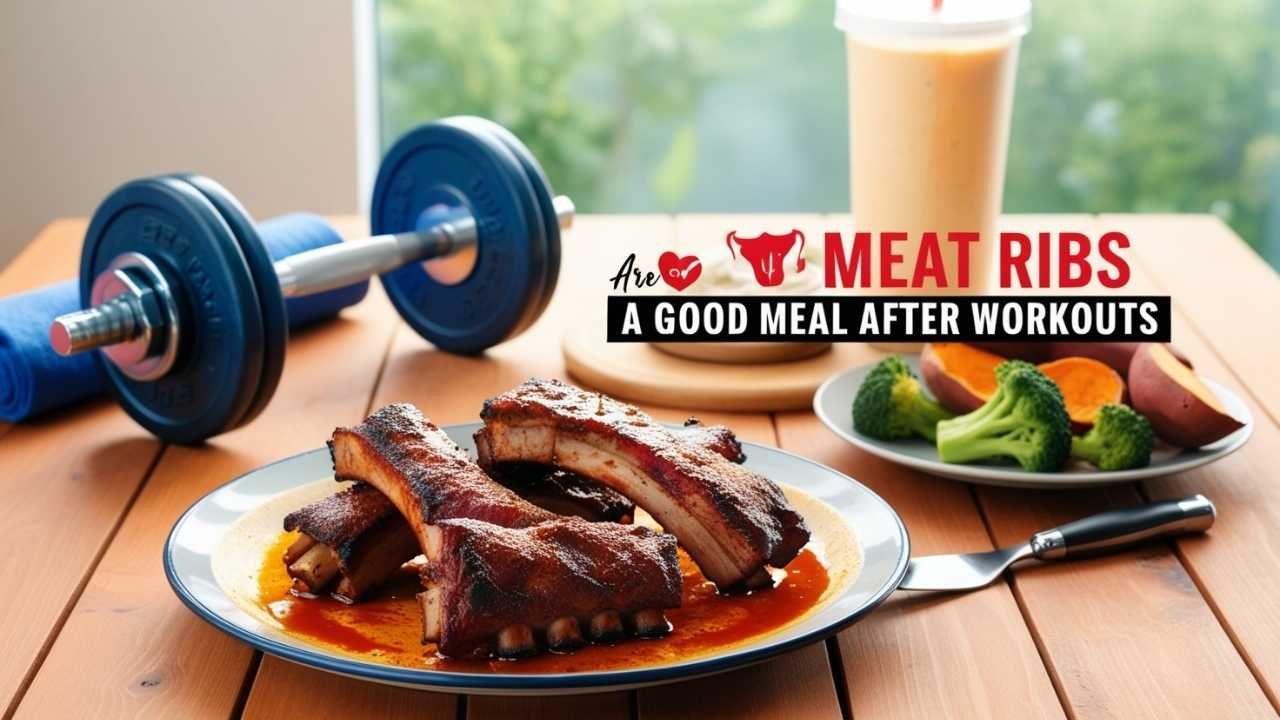
Nutritional Value of Meat Ribs: Are Meat Ribs a Good Meal After Workouts?
Quick answer: Ribs (pork or beef) are a genuinely rich source of protein, iron, zinc, and B vitamins, but they’re also high in saturated fat and calories — a 3-ounce cooked serving typically runs 200-370+ calories depending on the cut and preparation, with a meaningful share of your daily saturated fat allowance. They can reasonably fit into a balanced diet in moderation, with attention to portion size and preparation method.
Researched and written by the GymGoodies team, fact-checked against manufacturer specs and current fitness guidance.
Ribs are a barbecue and comfort-food staple, and it’s fair to wonder what you’re actually getting nutritionally beneath the flavor. Here’s an honest breakdown of the real nutrition data, without either demonizing or downplaying what ribs bring to the table.
The Basic Macronutrient Profile
According to USDA FoodData Central, a 100-gram serving of beef ribs contains roughly 372 calories, about 23 grams of protein, and around 30 grams of total fat, with roughly 12 grams of that being saturated fat. Pork spare ribs, per the same USDA database, run somewhat leaner at around 277 calories per 100 grams, with about 15 grams of protein and a lower overall fat content, though this varies meaningfully depending on the specific cut and how much visible fat is trimmed before cooking.
It’s worth being clear that these numbers vary considerably based on the specific cut (spare ribs vs. baby back ribs vs. short ribs), whether they’re trimmed of visible fat, and how they’re prepared — braised, smoked, or fried ribs will have meaningfully different fat and calorie profiles even from the same starting cut.
Both carry zero carbohydrates naturally — any carbs in a rib meal typically come from added sauces, glazes, or marinades, not the meat itself.
The Micronutrients Ribs Actually Provide
Beyond the calorie and macronutrient headline numbers, ribs offer some genuinely valuable micronutrients:
- Iron — important for oxygen transport in the blood; red meat is one of the more bioavailable dietary sources of iron
- Zinc — supports immune function and wound healing
- B vitamins, particularly B12 and B6 — support energy metabolism and nervous system function; B12 specifically is found almost exclusively in animal-based foods, making meat sources like ribs relevant for people not supplementing or eating other animal products
- Phosphorus — plays a role in bone health and cellular function
The Saturated Fat Consideration
This is the main nutritional tradeoff worth understanding. According to the American Heart Association, it’s recommended to limit saturated fat to less than 6% of total daily calories — for someone eating roughly 2,000 calories a day, that’s about 13 grams of saturated fat total. A single 3-ounce serving of fattier ribs can contain anywhere from roughly 4 to 12+ grams of saturated fat depending on the cut and preparation, meaning a generous rib portion can use up a meaningful chunk, or even the majority, of your daily saturated fat allowance in one meal.
This matters because, per AHA guidance, diets high in saturated fat are associated with raised LDL (“bad”) cholesterol, which increases cardiovascular disease risk over time.
Current Nutrition Guidance on Red Meat More Broadly
It’s worth noting that dietary guidance on red meat has been an active, evolving area — the AHA’s more recent cardiovascular health guidance specifically recommends that when red meat is consumed, people choose lean cuts, limit portion size and frequency, and prioritize alternative protein sources (fish, poultry, legumes, nuts) more often than not. This isn’t a call to eliminate red meat entirely, but it does reflect a general “moderation and mindful frequency” framing rather than treating red meat, including ribs, as an unlimited or daily default protein source.
How Ribs Fit Into a Balanced Diet
Given this, a reasonable, non-restrictive way to think about ribs:
- Portion awareness matters more than complete avoidance — a moderate serving (roughly 3-4 ounces of meat) as part of a balanced meal with vegetables and whole grains is a very different nutritional picture than a large rack eaten as the entire meal.
- Frequency matters — treating ribs as an occasional meal rather than a daily staple aligns with current cardiovascular health guidance, without requiring you to eliminate them from your diet entirely.
- Preparation method genuinely changes the nutritional picture — trimming visible fat before cooking, and choosing preparation methods that allow excess fat to render off (like smoking or grilling on a rack) rather than methods that retain more fat (like deep frying) can meaningfully reduce the total fat and calorie content of the final dish.
- Sauce and glaze choices matter too — many barbecue sauces add significant sugar and sodium on top of the meat’s own nutritional profile; a lighter application, or a lower-sugar sauce option, keeps the overall meal more balanced.
Why the Protein Content Is Genuinely Valuable
For anyone engaged in regular resistance training, the protein content in ribs is worth acknowledging as a real positive — protein is essential for muscle repair and growth following training, and ribs provide a complete protein source with all essential amino acids. If you’re building a training routine that includes strength work, like our Inner Arm Transformation guide covers, adequate protein intake from a variety of sources — including occasional servings of red meat like ribs — can reasonably support those goals, provided it’s balanced against the saturated fat considerations covered above.
A Practical Way to Enjoy Ribs More Nutritiously
- Choose leaner cuts when possible — pork rib meat with visible fat trimmed tends to run leaner than fattier beef short ribs, though flavor and texture preferences are a real factor in this choice too.
- Balance the meal — pairing ribs with vegetables, a salad, or whole grains rather than multiple additional high-fat or high-sugar sides creates a more balanced overall plate.
- Be mindful of portion size — a reasonable serving (a few ribs, roughly 3-4 ounces of meat) rather than an entire rack lets you enjoy the flavor without an outsized saturated fat and calorie impact.
- Consider preparation method — grilling or smoking, which allow fat to render and drip away, generally produce a leaner final product than methods that retain rendered fat.
Common Misconceptions Worth Addressing
- “Ribs are basically pure fat with no nutritional value” — this isn’t accurate; ribs provide meaningful protein, iron, zinc, and B vitamins alongside their fat content, making them more nutritionally complex than a purely “junk food” framing suggests.
- “A little added sauce doesn’t really matter nutritionally” — sugary barbecue sauces can add a meaningful amount of added sugar and sodium on top of the meat’s own profile, worth factoring in if you’re tracking either.
- “All rib cuts have essentially the same nutrition profile” — as the USDA data shows, this varies meaningfully by cut and preparation; treating all ribs as nutritionally identical overlooks genuine differences worth knowing if you’re making informed choices.
Frequently Asked Questions
Are pork ribs or beef ribs the healthier choice?
Pork ribs generally run somewhat leaner in calories and total fat compared to beef ribs based on USDA data, though beef ribs tend to provide more iron — the better choice depends on which specific nutritional factors matter most to you and how each is prepared.
How often is it reasonable to eat ribs?
Current cardiovascular health guidance generally supports treating red meat, including ribs, as an occasional rather than daily food, with portion size and preparation method also factoring into how it fits your overall diet.
Do ribs provide any nutrients I can’t easily get elsewhere?
Vitamin B12 specifically is found almost exclusively in animal-based foods, making red meat sources like ribs relevant for that nutrient if you don’t eat other animal products or supplement — most other nutrients in ribs (protein, iron, zinc) are also available from a range of other food sources.
Bottom Line
Ribs offer genuine nutritional value — solid protein content along with iron, zinc, and B vitamins — but they also carry a meaningful saturated fat load that’s worth being mindful of, particularly given current cardiovascular health guidance favoring moderation with red meat. Enjoyed in reasonable portions, with some attention to preparation method and how often they’re part of your diet, ribs can reasonably fit into a balanced overall eating pattern rather than needing to be treated as an all-or-nothing food.
How often do ribs make an appearance in your meals? Let us know in the comments how you typically balance them with the rest of your diet.